Mouth Cancer: What you need to know.

Dental Check Oxfordshire

Here at Kennett Road Dental Practice, we’re supporting mouth cancer action month, but you can be vigilant all year round by keeping an eye out for signs and symptoms of mouth cancer.

So, what is mouth cancer? According to the NHS “mouth cancer, also known as oral cancer, is where a tumour develops in a part of the mouth. It may be on the surface of the tongue, the inside of the cheeks, the roof of the mouth (palate), the lips or gums.”

If you haven’t heard much about oral cancer, you’re not alone, but according to the Oral Health Foundation, Mouth cancer currently kills more per year than cervical and testicular cancer combined. So, it really is important.

Because early diagnosis is so critical, we want you to be aware of the signs of oral cancer. Dentalhealth.org suggests that “with early diagnosis, the chances of surviving mouth cancer are nine out of ten. So, it is vital that you know what to look out for.

  • Ulcers which do not heal within three weeks
  • Lumps or swellings in the mouth, neck, or head area
  • Red and white patches in the mouth
  • unexplained loose teeth or sockets that do not heal after extractions
  • unexplained, persistent numbness or an odd feeling on the lip or tongue

These are the symptoms of mouth cancer you can look out for yourselves. If you notice any of these signs, then make an appointment with your dentist or doctor today. One of the most important things you can do to minimise your risk of late diagnosis is to attend regular appointments with your dentist who is trained to detect signs of oral cancer. Early detection is key so it’s essential to see your dentist frequently and especially if you notice any changes in your mouth.

Mouth Cancer Action Month Oxfordshire

Another thing you could do is to spend two minutes watching this video on how to carry out a self-assessment for mouth cancer on yourself at home.  We’re all busy but taking two minutes out of your day seems to be a low price to pay for your wellbeing and peace of mind. Although this is no substitute for professional medical care, it can help you spot any signs early on.

“If in doubt, get checked out” is the catchy slogan from the Oral Health Foundation and it’s a good job it is catchy because even though cases of mouth cancer are rising rapidly compared with ten years ago, general knowledge about oral cancer is dangerously low. The State of Mouth Cancer report indicates that cases of oral cancer have risen in the last ten years by 49% and 135% in the last two decades.

Another worrying statistic is that although 88% of the British public have heard of mouth cancer, 75% do not know what the main signs and symptoms are. Visit the mouth cancer action month page to find out how you can help raise awareness.

Although there is no way to absolutely prevent oral cancer, there are many lifestyle choices you can make to reduce your risk of developing it. The NHS advises that “the leading causes of mouth cancer in the UK are tobacco and alcohol.” If you drink more than is recommended or smoke at all, then you are increasing your risk of mouth cancer. The Oral Health Foundation writes that “up to 90% of all mouth cancers are linked to lifestyle factors”, and that smoking can increase your risk by up to ten times.

If you smoke and want help quitting, then click here for advice and help from the National Health Service. There may never be a good time to quit, but there is a right time and it’s now.

Other risk factors that increase the likelihood of developing mouth cancer include:

  • chewing tobacco or other smokeless tobacco products
  • chewing betel nuts with or without added tobacco
  • an unhealthy diet
  • the human papillomavirus (HPV)

With oral cancer cases rising, it’s never too late to change your lifestyle for the better and for the benefit of your loved ones.

So, be vigilant in checking for changes in your mouth, decrease your risk factors if you can and ensure you make and attend regular appointments with your dentist. Be mouth cancer aware and share your knowledge to help others.

Don’t forget: “If in doubt get checked out”. Throughout November, the Kennett Dental team are offering free mouth cancer checks, so get in touch today to book your appointment!
How to Overcome Your Fear of The Dentist – Advice from Friendly Dentists in Oxfordshire ☺

fear of the dentist

Here at Kennett Road Dental in Oxfordshire, we are working hard to help hundreds of patients conquer their fears for better dental health.

If you suffer from dental anxiety, you are not alone.

The Oral Health Foundation found that almost half of adults in the UK have a fear of the dentist, with 12% suffering a severe phobia.

At Kennett Road Dental we have some patients who are so anxious about going to the dentist that they firstly have a couple of appointments to just talk about their dental problems.

The key to overcoming your fears is to firstly talk to your dentist about them. It may be comforting for you to know that no matter how anxious or scared you are of the dentist; we will have seen and treated a patient far more nervous than you. Even calling the dental practice may make you feel nervous but our friendly and welcoming team at Kennett Road Dental will be here to talk and support you through your dental journey.

Here are some common concerns about going to the dentist and strategies to subdue them:

  1. The worry that dental treatment will hurt

If you’re nervous about pain, let us know so that we can talk you through the different pain numbing and relief options for the treatment you are having.

  1. Bad experiences in the past

Many people think that dental treatment is painful and have associated smells and sounds with unpleasant memories from their past. However, dentistry has advanced so much in the past decade, it’s much more gentle and dental practices are far more relaxing and friendly.

If you have had bad experiences previously, explain your fears and concerns to your new dentist who will be understanding and supportive.

  1. Feelings of helplessness or loss of control

Being confined in a chair can provoke feelings similar to claustrophobia. If this is you, let your dentist know so that during the appointment you can raise your hand to take a break.

  1. Fear of judgement/embarrassment about your teeth 

Some patients may be worried about visiting the dentist because of judgment or they’re embarrassed about their teeth. Before your appointment you may wish to tell your dentist that you’re embarrassed about the state of your teeth – but you would like their help to fix them. This may make you feel more relaxed knowing that your dentist is aware of your anxieties and they will not be judging you.

Remember: Dental professionals at Kennett Road Dental want to help you improve your dental hygiene, we will NEVER be judging you!

  1. Anxiety about cost

If you are worried about the cost of your treatment, you can speak to our team about finance and monthly payment options to suit you.

Please get in contact with us today if you have any concerns about booking an appointment at Kennett Road Dental. We will always be happy to help and support you overcoming your fears of the dentist, no matter how big or small!

Are you damaging your teeth during your sleep?

Bruxism

It’s a well-known fact that our lifestyle can affect our teeth through consumption of sugary foods and drinks, smoking, not brushing or flossing etc.

However, not many people are aware that they may be damaging their teeth by jaw clenching and teeth grinding during their sleep. This is known as bruxism.

So, what are the causes of bruxism?

Stress is one of the most common causes of bruxism and can occur during the day when a person is placed in stressful situations, but it can also happen at night when we sleep.

Anxiety is another cause of bruxism when people teeth grind and clench their jaw but are unaware that they are doing so.

Substance abuse, sleep apnoea and issues with teeth alignment and bite are also factors which can contribute to bruxism.

What are the symptoms of bruxism?

If you wake up in the morning and your jaw feels tight or your mouth feel sore, this is a sign that you may have been clenching your jaw or grinding your teeth in your sleep.

If you share a bed with a partner, they may notice that you are grinding your teeth at night because of the sound it makes.

Long-term teeth grinding and jaw clenching can lead to earaches and headaches.

Another indication that someone may be suffering from bruxism is if they have uneven tooth wear, usually around the back molars.

What is the treatment for bruxism?

If you are showing any symptoms of bruxism, it’s important to visit your dentist. They will be able to examine your teeth and jaw for signs of grinding or clenching.

Once diagnosed with bruxism, your dentist will prescribe a mouth guard to help prevent your teeth from grinding whilst you sleep, and it will act as a barrier if you are clenching your jaw at night.

Using a mouth guard to help treat bruxism will also help you feel refreshed from your night’s sleep and prevent jaw pain or tightness.

How can my dentist prevent and fix missing teeth?

Statistically, the over-75’s are an age group who are most likely to experience tooth loss. However, it can actually affect people of all ages. It’s possible to lose your natural teeth through accident or injury as well as the most common tooth loss causes which are gum disease and tooth decay.

If you’ve knocked your tooth out in an accident, store it in a glass of water and get an emergency appointment with a dentist the same day. In many cases your dentist will be able to re-implant your natural tooth back into its socket.

To avoid losing your natural teeth through gum disease and tooth decay, having a consistent dental hygiene routine and visiting your dentist at least every 6 months will help you retain your natural teeth for much longer.

If you are concerned that you have already started experiencing some tooth loss, at Kennett Dental we can help replace your missing teeth using dentures and dental bridges.

Kennett Dental offer modern dentures which are made of acrylic or a combination of acrylic and metal. We offer partial dentures for patients who only have a few missing teeth and we provide complete dentures when all-natural teeth are missing.

If a patient is missing only one or two teeth, a bridge is often the preferred option. They consist of an artificial porcelain crown anchored on either side by natural teeth that have had crowns placed on them as well. At Kennett Dental we offer aesthetic bridges which are made with a ceramic material which look just like natural teeth.

It’s so important to maintain your regular check-ups with your dentist in Oxford to prevent tooth loss. Even mildly damaged teeth can allow bacteria to enter which can lead to infection, abscesses and eventually tooth loss if left untreated.

To see a dentist at Kennett Road Dental in Oxford, give our friendly team a call on 01865 761965

Avoid teeth staining – Use these tips to keep your smile bright!

Don’t let teeth stains get in the way of a great smile! Here is everything you need to know about teeth staining and how you can keep your smile squeaky clean!

There are many reasons why patients experience tooth staining. For example, food and drink choices play a big role in this as well as oral hygiene and medication use.

Tooth stains can develop on the surface of the tooth or below the tooth enamel.

What are the main causes of tooth stains?

There are three main categories of tooth discoloration:

  • Extrinsic teeth stains: This is where stains are found on the surface of the tooth. It occurs because of particles (commonly food and drink) building up over the tooth enamel. Regular tobacco use, coffee and tea, wine and cola drinks typically cause these types of stains.

If you have an extrinsic teeth stain, regular dental cleaning and the use of whitening toothpaste will reduce this.

  • Intrinsic teeth stains: This is where the stain appears below the surface of the tooth and accumulates within the tooth’s enamel. This type of tooth stain has been linked with excessive fluoride use.

Intrinsic stains are more difficult to remove compared to extrinsic. They may require bleaching using professional products.

  • Age-related teeth stains: This is a combination of intrinsic and extrinsic tooth discoloration. The core tissue of your teeth naturally turns yellow over time causing your teeth to discolour with age. Equally, the enamel on your teeth becomes thinner as you age which will allow the yellowing core to show. When these intrinsic stains are combined with extrinsic causes such as the consumption of certain foods and beverages, most adult’s teeth will discolour with age.

How can I reduce teeth stains?

  • Drink using a straw: When drinking fizzy and sugary drinks try to use a straw (preferably environmentally friendly!) so that the liquid won’t touch the visible front surfaces of your teeth.
  • Have a consistent dental hygiene routine: Brush, floss and rinse with antibacterial mouthwash to fight plaque daily. Plaque is bad for your teeth and encourages stains by being sticky and giving stains something to hold on to.
  • Regular check-ups and professional cleans: By getting your teeth cleaned at least twice a year by a dental hygienist, it will help clear bacteria and keep your mouth healthy.
  • Use professional teeth-whitening methods: teeth-whitening works well if your teeth have started to turn yellow, if they are brown this may take longer. 

For patients in Oxfordshire, get your appointment booked in with us today to keep your smile shining!

Everything You Need to Know About Invisalign

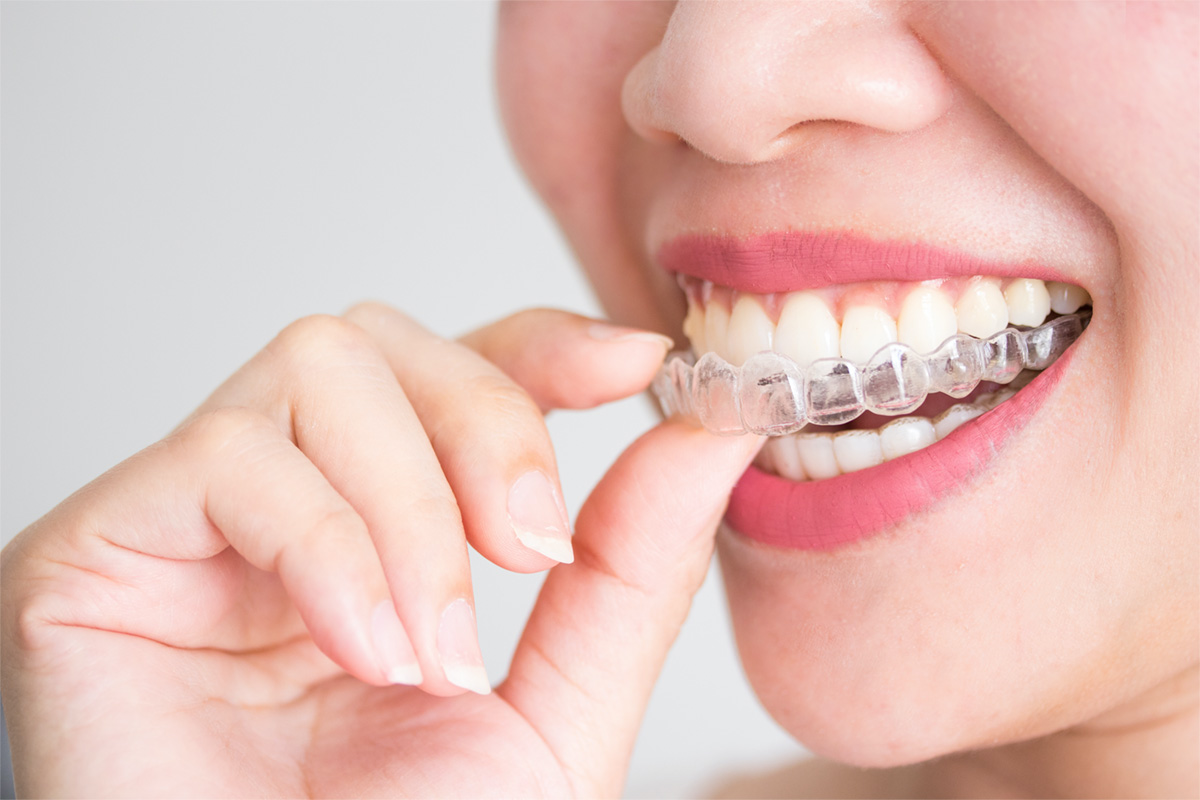
Invisalign is a tooth aligning treatment which uses aligner trays made of smooth, comfortable, BPA-free clear plastic which is worn over your teeth to subtly and gently move them over a period of time. The aligners are custom made for each patient by taking a 3D scan of their mouth.

If you are looking to straighten your teeth or your child’s teeth, you may have heard of Invisalign as an alternative to traditional brace treatments.

This article gives you some advice on the orthodontic treatment to help you decide if Invisalign is a suitable tooth aligning treatment for you as an individual.

So, what is Invisalign?

Invisalign is a tooth aligning treatment which uses aligner trays made of smooth, comfortable, BPA-free clear plastic which is worn over your teeth to subtly and gently move them over a period of time. The aligners are custom made for each patient by taking a 3D scan of their mouth.

What are the advantages of Invisalign over braces?

  • Invisalign is more aesthetic

The biggest benefit of Invisalign is that the retainers are virtually invisible. This is a great treatment for adult patients who are concerned that traditional braces will leave them feeling self-conscious.

  • You don’t have to change what you eat

With Invisalign, you take the aligners out to eat which means you don’t have to change what you eat or how you eat it like you do with braces.

  • Brushing and flossing your teeth is easier with Invisalign

You’ll have to remove your Invisalign retainers to brush your teeth but with nothing on your teeth to worry about, you can continue brushing and flossing as you did before your dental treatment.

  • Less appointments are required

For Invisalign, most of the orthodontist’s work happens before you wear your aligners. You change the multiple sets of aligners but there is no need to visit the orthodontics for adjustments to the aligners, so visits are kept to a minimum to check on progress. This is great for adults who want to minimise the amount of time they miss off work for dental appointments.

What are the disadvantages of Invisalign?

  • Patients need to be strict

If you are someone who will forget to put their aligners back in after they have brushed their teeth, you won’t be wearing them for the required 22 hours per day so your treatment may take longer and not produce the best results.

  • Removing aligners to eat or drink can be inconvenient

Aligners need to be removed before eating and drinking anything other than water. When you are out in public, you need to remove your aligners discretely and not lose them and then before putting your aligners back on you must brush your teeth. In some situations, this isn’t ideal and can be a bit tricky! It’s important not to have any food particles in your teeth when putting the aligners back in as they can stop your teeth from moving and stain them.

  • Generally speaking, Invisalign is not as effective as braces

Invisalign isn’t typically recommended for complex orthodontic cases. Make sure you ask your orthodontist if they expect the same result from braces and Invisalign.

If you would like to learn more about how Kennett Road Dental in Headington, Oxfordshire can improve your dental health and smile with Invisalign treatments – Get your consultation booked in today!

Scroll to top