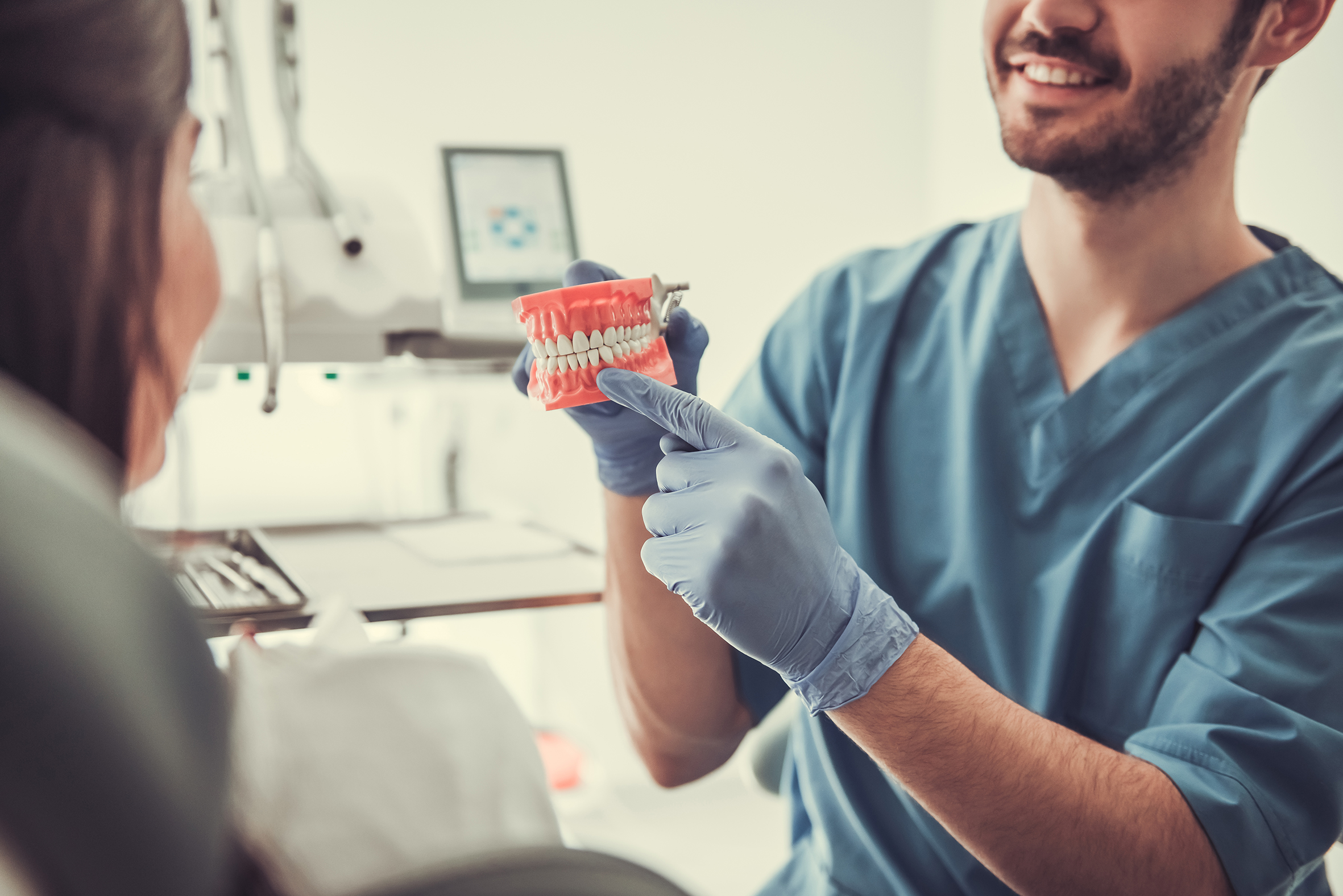
Why You Don’t Need to Be Afraid of Your Dentist

We know a lot of people experience anxiety at the thought of attending their dental surgery. Don’t worry, we don’t take it personally. Of course, we know that very few people are afraid of the actual dentist, it’s the vulnerability and the fear of the possibility of pain that frightens most people. But we want you to be as relaxed about your next trip to the dentist as possible, so here are our top reasons why you shouldn’t be scared of your dentist, your dental surgery and why you shouldn’t skip your next appointment.

1. Dentists are awesome. No really, we can back that up. According to Dentalorg.com, “dental surgeons are very compassionate and kind people.” The same source suggests that people with a natural inclination towards helping people are attracted to the dental career and that dentists are predominantly easy-going, calm people. See, we are pretty nice people on the whole. We’re the opposite of scary.

2. Dentists only want to help. The truth is that no one actively enjoys rooting around in other people’s mouths all day. Well, no one we know, anyway. So, someone who has committed years of their life to the study of teeth and is prepared for decades to come of seeing tooth decay and dealing with bad breath, they’d have to be damn sure they’d get something out of it. What do we dentists get out of our work? We get to help people. We’re not out to cause anyone pain. We only want to heal and soothe.

Remember that you only have to deal with your own dental issues, we have to deal with everyone’s, so you can be sure that we are committed to being helpful in our jobs and to do no harm, otherwise no one would do it. Whatever you think we get paid, it’s not nearly enough to deal with all the gross parts of dental practice without the satisfaction of feeling that you helped someone that day.

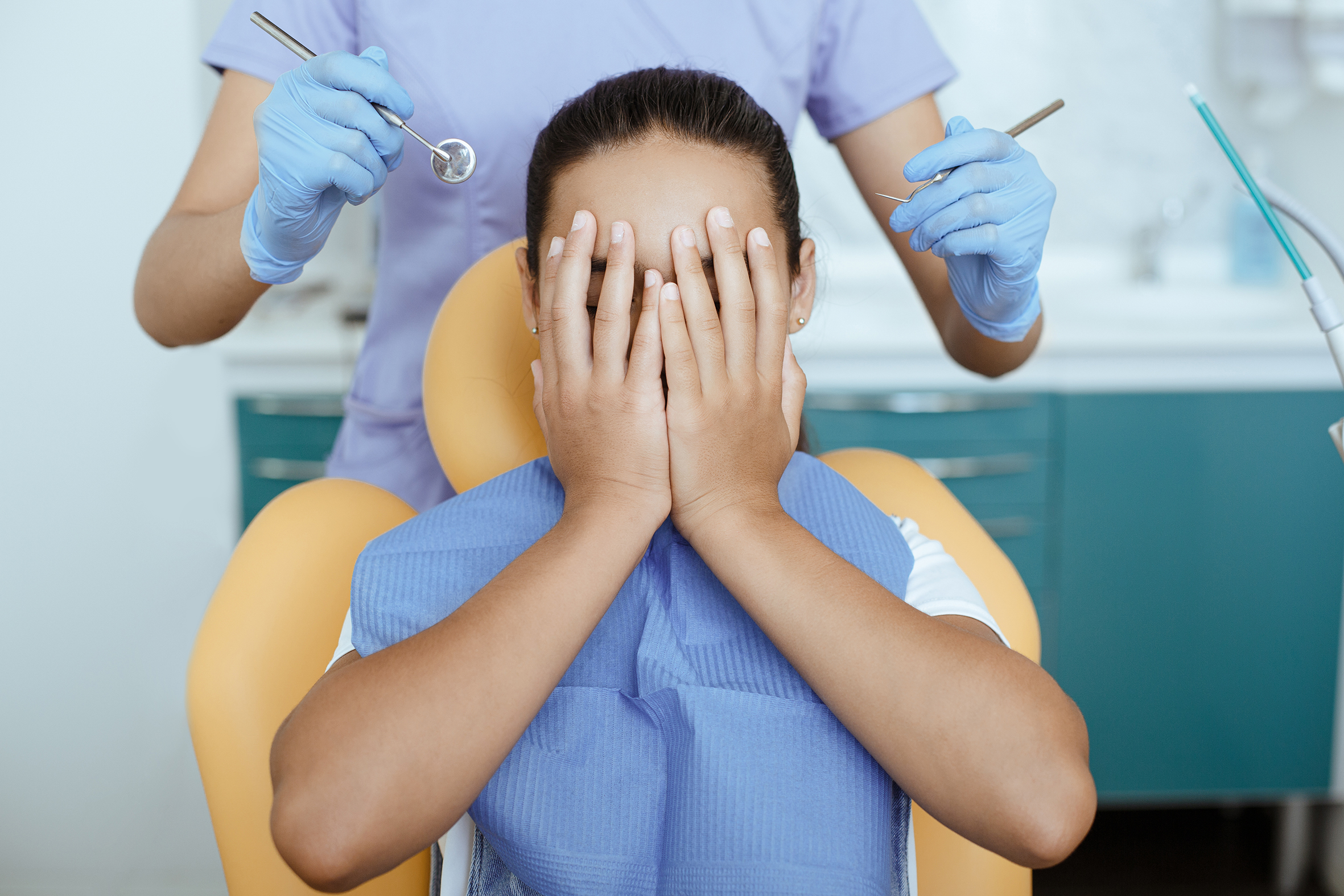
3. Dentists aren’t scary. Imagine that two people met at a party and through polite conversation it becomes known that one of them is a dentist. Never in the history of small talk has the other person screamed out loud and fled from the room. That’s because dentists aren’t scary. We don’t look scary, we look just like normal people, because that’s what we are. However, for some reason, when we are in our uniform, our PPE and our masks, we suddenly become the plaque police in your eyes ready with a stern ticking-off and a rap on the knuckles for not flossing.

The truth is, we’re not here to judge you, we only want to help you feel good about yourself and to be without pain. You wouldn’t be afraid to sit next to us on the bus in our normal clothes, so there’s no need to be intimidated by us at our workplace. We don’t bite. If anything, we’re the ones getting bitten!
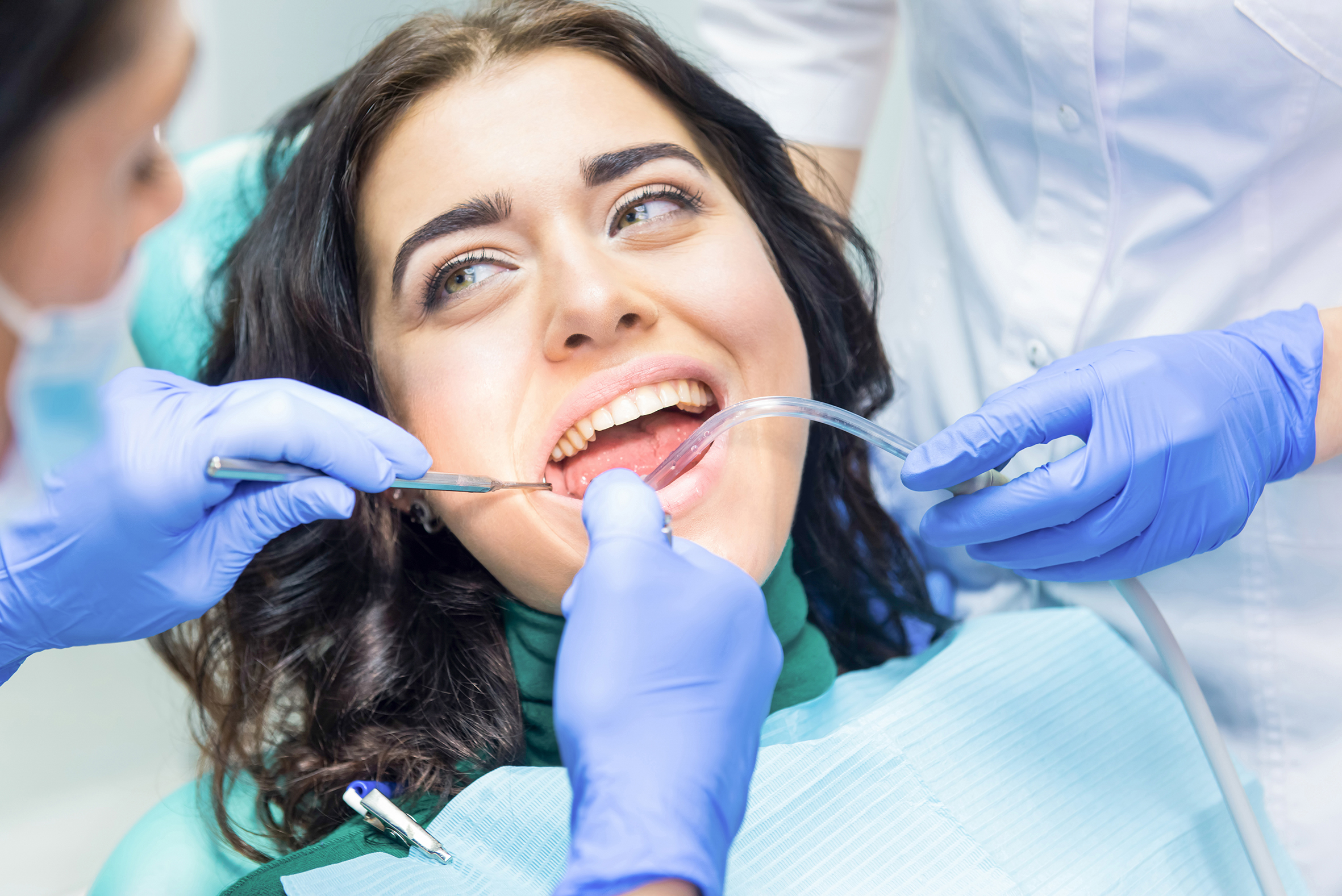
Woman and dentists. Hands of doctors holding tools. Dental care services.

4. Dentists don’t want you to have treatments. There’s no getting around it, some dental treatments aren’t too pleasant and that’s what many people are afraid of when they visit their dentist. They’re afraid that a routine dental health check could unearth some bad news that will lead to a painful procedure. The NHS Adult Dental Survey in 2009 unearthed that “30 per cent of adults said that having a tooth drilled would make them very or extremely anxious and 28 per cent reported similar levels of anxiety about having a local anaesthetic injection.” We don’t want that for you. Modern dentistry is centred around the concept that preventative care is the best treatment, which is why attending regular dental health checks and hygienist visits are so important, but according to the Oral Health Foundation, “more than a quarter of adults only visit the dentist when they have a problem”. Of course, sometimes further dental treatments are required after a dental health check, but seriously, we only want you to have a healthy, beautiful smile that you can be proud of.

Actually, you are more likely to need dental treatments such as fillings, root canal or dental implants if you don’t attend dental health checks regularly. That’s because it’s better to catch dental problems early and to implement a course of preventative treatment than to let it worsen and need a more invasive solution. This means that not going to the dentist can create a self-fulfilling prophecy. That the less you go to the dentist for dental health checks, the more you may have to go later on to have uncomfortable treatments as serious oral problems worsen. It’s best not to let a fear of the dentist cause you to have a foundation for those same worries.

A 2009 NHS study claims that as many as “twelve per cent of adults who had ever been to a dentist had an MDAS (Modified Dental Anxiety Scale) score of 19 or more which suggests extreme dental anxiety.” That’s so sad, to think that so many grown humans are afraid of something that can only do them good. We doubt as many people are phobic about eating their greens, but by all means, correct us if we are wrong.

We just hope that this post can alleviate any worry you may feel about visiting the dentist. We encourage you not to let a fear of routine appointments result in your having to visit us even more often in the future for less gentle treatments. Prevention is power when it comes to dental health and we really believe that here at Kennett Road Dental Practice.

If you wish to see the preventative, restorative and cosmetic services we offer at Kennett Road Dental Practice, click here. Or if you wish to contact us and book an appointment you can do so here.

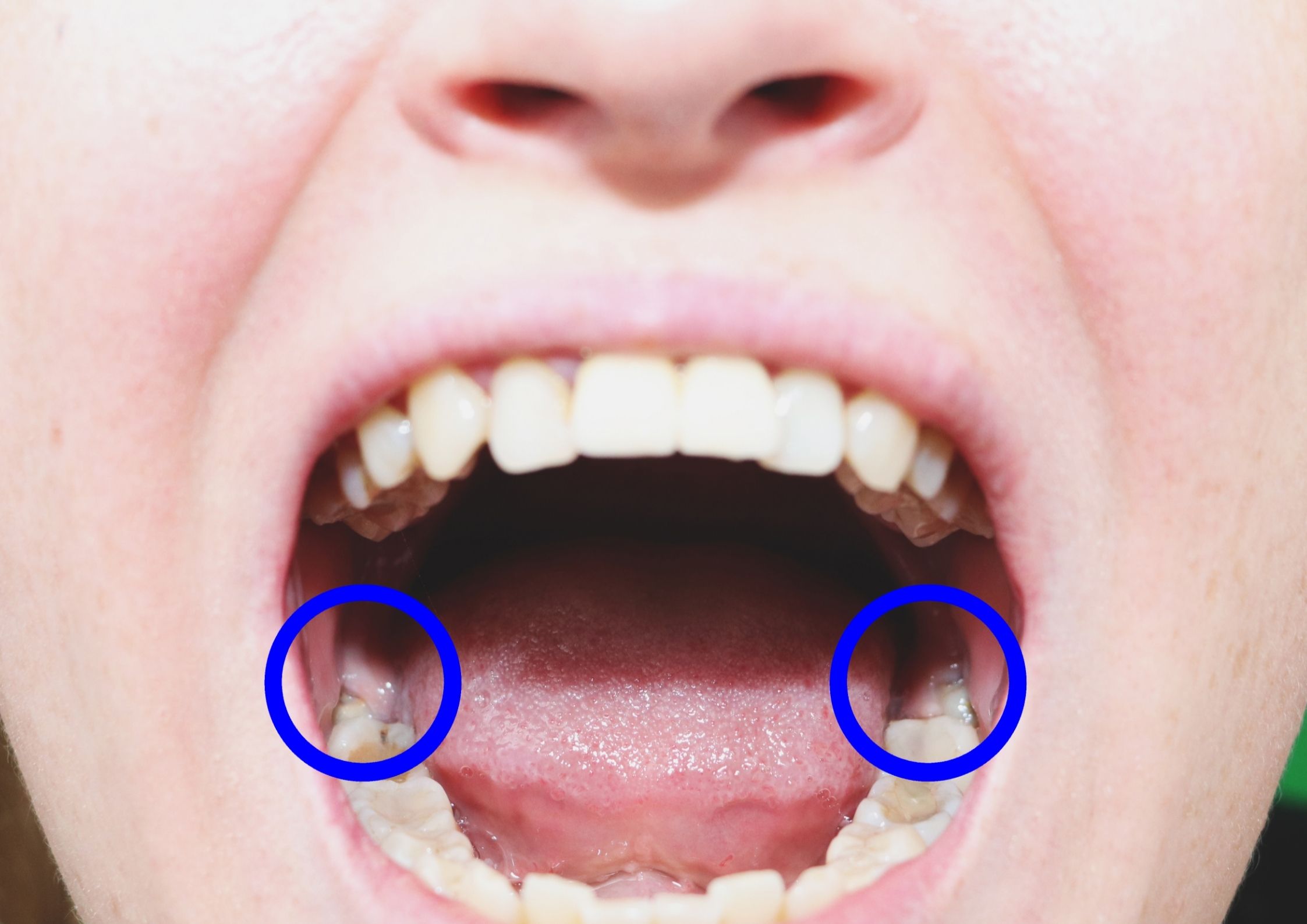
Wising up on Wisdom Teeth: What are They and What do you Need to do About Them?

The arrival of wisdom teeth can fill some people with anxiety and even despair. Everyone has heard of a friend of a friend who had their wisdom teeth out and couldn’t eat properly for months after the procedure. We thought it might be helpful to debunk some of these wisdom teeth myths and alleviate some anxiety about wisdom teeth.

What are wisdom teeth? Wisdom teeth are so named because they usually arrive after a person has reached maturity. Well, medically speaking, at least. Sometimes called third molars, these teeth usually erupt well after all the other teeth have been in place and settled for many years. The most common time to start feeling wisdom teeth growing in the back of the mouth is when a person is in their late teens or early twenties. Often, people with wisdom teeth will have four: one in each corner of the mouth, behind the usual two molars.

Why do we have wisdom teeth? It’s not entirely clear why many people have third molars, but one theory suggests that it might have something to do with evolution. Healthline advises that “one belief is that wisdom teeth served as replacement teeth for our distant ancestors. Today, we eat foods that are soft or tender, and most people practice good oral hygiene. Both factors help reduce the likelihood of losing teeth.” It is true that tooth loss has decreased over time which would indicate that it might have been very common for tooth loss to occur in ages gone by. Perhaps a new molar in each corner to replace lost teeth might have come in very useful once upon a time if our ancestors wanted to eat more than soup.

Are wisdom teeth bad? No, not at all! Most people have wisdom teeth, though some people don’t have all four and occasionally some people have none at all. Wisdom teeth are perfectly natural and although your dentist will sometimes recommend that they be removed, for the majority of people, they are completely harmless. Wisdom teeth can sometimes ache when they are breaking through the gums, but the pain is usually short lived. If they are causing you serious pain or the pain doesn’t subside, it’s advisable to see your dentist to make sure everything is as it should be.

When are they a problem? Although most wisdom teeth are quite harmless and just want to be left in peace to accomplish their destiny of grinding up vegetation in your mouth, there are some instances when wisdom teeth can become troublesome. Wisdom teeth don’t always grow correctly. If they were supposed to replace lost teeth which haven’t actually been lost, then it would explain why they can sometimes lack the room to grow properly in the mouth. The NHS advises that “because of the lack of space, wisdom teeth can sometimes emerge at an angle or get stuck and only partially emerge. Wisdom teeth that grow through like this are known as impacted.”

Impacted teeth may cause you no pain or dental problems at all, in which case it’s best to let them be, but sometimes impacted wisdom teeth or semi-emerged wisdom teeth can cause food and bacteria to become trapped around them which can result in a build-up of plaque. This can, in turn, lead to gum disease, tooth decay or bacterial infections. It is worth mentioning that many of these problems can be solved by improving your daily oral hygiene routines and by following advice from your dentist and hygienist.

What can be done about them? Impacted wisdom teeth can cause pain in the mouth and gums and may need to be removed by a dentist. According to the NHS “if your dentist thinks you may need to have your wisdom teeth removed, they’ll usually carry out an X-ray of your mouth. This gives them a clearer view of the position of your teeth.” If the X-ray shows that your teeth are impacted or likely to cause problems , they might suggest having them removed.

When it is necessary for a wisdom tooth to be removed, it will usually be done using local anaesthetic.

For more information about how dentists or oral surgeons remove wisdom teeth, you can speak to your dentist or see the NHS website which provides useful information about the procedure and recovery. Kennett Road Dental Practice are always happy to discuss your dental worries and offer professional and impartial advice. If you are concerned about your wisdom teeth or suspect that one is impacted, you can get in touch with one of our friendly team here.


Sugar Erosion: What Does it Mean for Children’s Teeth?

Yes, it’s time we talked about the big bad monster: sugar. We know your kids love the stuff. Don’t we all if we’re honest? The problem is that allowing teeth to be in contact with high quantities of sugar over long periods of time can really affect oral health, general health and even self-esteem in the long run. This can particularly be the case among children and young people.

According to the British Dental Association, “official data has revealed an 18% increase in the number of [tooth] extractions taking place on children in hospitals since 2012.” They also state that these (mostly preventable) extractions in young people are annually “costing the NHS £205 million.” That’s a lot of tax-payers money paying for the avoidable damage from sugary and acidic foods and beverages. Action on Sugar states that ’Tooth decay is the leading cause for hospitalisation among 5-9 year olds in the UK, with 26,000 children being hospitalised each year due to tooth decay – in other words, 500 each week.’

Manufacturers don’t help parents much though. Despite the hefty sugar tax on unhealthy products there are still so many foods and drinks on the supermarket shelves that are marketed for children but contain obscene amounts of sugar. To try and de-bunk some sugary myths, we’ve put together some answers to the questions we get a lot about the effect sugar has on teeth and especially children’s teeth.

How does Sugar harm teeth? Sugars in food and drinks play a major role in the development of dental caries. Bacteria within the plaque use the sugar as energy and release acid as a waste product, which gradually dissolves the enamel in the teeth (NHS Choices, Tooth Decay). So, there we have it. The sugar feeds the harmful bacteria in yours and your child’s mouths which can accelerate the erosion and decay process. Even though sugar does not directly harm tooth enamel, it enables the natural bacteria in our mouths to do its worst.

What about baby teeth? It’s a common misconception that children’s baby teeth, or milk teeth, aren’t as important to look after as adult teeth. We suspect that some may think this because they only last us for a fraction of our natural lives compared to adult teeth which must last us many decades. Some parents assume that if a child’s tooth falls out too early through decay, that it is not a concern, because it would have fallen out soon anyway- but premature tooth loss can certainly cause dental issues further down the line.

Baby teeth are eventually replaced by permanent teeth, but they need to stay in a child’s mouth until they come out naturally. Your child’s baby teeth keep space open for permanent teeth to replace them. If they lose a tooth too soon, the other baby teeth can move into the open space and prevent the permanent teeth from erupting correctly. This can lead to unsightly crowding of the teeth and cleaning problems. It is really important that as a parent who wants the best for their child that you are mindful of how much sugar is in your child’s diet, because these decisions can affect their oral health down the line. Having a beautiful smile they can be proud of is what we want for all our babies and you can help them grow beautiful adult teeth by looking after their baby ones.

Where is the sugar coming from? According to NHS initiative Change 4 Life, “kids are getting half their sugar intake from unhealthy snacks and sugary drinks.” It’s not only the obvious things like sweets, chocolate and cakes that contain too much sugar for our own good. The hidden sugars in our diets are just as dangerous. Check the labels on the sauces you use in your cooking and on the table to see how much sugar they contain. Lower sugar alternatives to these are available in most supermarkets. One portion of breakfast cereal can contain more sugar than a sugary fizzy drink. Drinks are certainly a source of hidden sugars too. Sujatadin.com suggests that a portion of apple juice contains almost as much sugar as a can of Coca-Cola. A normal portion of Ribena contains around 6 and a half teaspoons of sugar whereas the no added sugar variety contains less than half a teaspoon.

Drinking too much sugar can really increase the overall amount of sugar we consume per day so be mindful and look at the labels if you are unsure. Many products use a traffic light system on the label to indicate how good (or bad) for you an item is. Making sure your shopping trolley is mostly filled up with green items is a good start to reducing the amount of sugar in your family’s diets. Do remember though that the traffic light system indicates what is healthy for an average adult and children cannot process sugars, fats and salts as well as we can, so they need to consume less of these things than adults, not more.

How can parents and carers help? Simply put, you need to limit the amount of sugar your child’s teeth come into contact with and also limit the time it is on their teeth for. You can do this by restricting the occasions they are allowed sugary treats per week and by encouraging and supervising the brushing of their teeth twice daily. We’re not saying to live a sugar-free existence, (we’re not even sure it’s possible these days) and it wouldn’t necessarily be healthy either since fruits and even vegetables contain sugars and acids. We are advising that parents are mindful of the amount of sugar that goes into your child’s diet and make better choices for their health and futures. Look out for sugar-free or reduced sugar alternatives to the staple items in your cupboards next time you do your weekly shop.

Sugar not only affects dental health but too much of the stuff can lead to other health complications. Change 4 Life advises that “too much sugar is bad for children’s health as it can lead to the build-up of harmful fat on the inside that we can’t see. This fat can cause weight gain and serious diseases like type 2 diabetes, which people are getting younger than ever before, and heart disease and some cancers.”

No one wants any of these health complications for their child, so be sugar aware. If you are unsure about how sugar affects the health of young people or how much sugar is too much, we encourage you to visit the sugar subsection of the Change 4 Life website where lots of helpful information is available including tips to help you easily cut down the sugar in your family’s diet.

If you are worried about tooth decay in your child or yourself, you can contact Kennett Dental Practice here to make an appointment where we can assess and advise. Dental practices are still open in lockdown to provide routine and emergency dental services to patients. Find out about our new safety measures that are in place during the pandemic by clicking here.

Fear of Visiting the Dentist? 5 Fears and How to Conquer Them

Fear of visiting dentist Oxford

It’s a worry many of us suffer from and although a genuine phobia of dentists is rare, a touch of anxiety is quite normal. The NHS Adult Dental Health Survey (2009) found that over 40% of adults are moderately or extremely anxious about dental procedures and 15% are extremely anxious just sitting in the dentist’s waiting room; but why?

We’ve done a little research to try to explain why anxiety around dental treatments and even just routine check-ups is so common. We think it’s important to know about where fear comes from and why you might have negative feelings about visiting us. Knowledge is power and the more we know about ourselves, the better we can manage our feelings.

So, without further ado, here are our top five reasons why people might be afraid of visiting their dentists.

1. It’s learned

The Association for Psychological Science says that fears of experiences like going to the dentists is a learned behaviour. They write, “Fear can be learned through direct experience with a threat, but it can also be learned via social means such as verbal warnings or observing others’. As humans, we are social animals who learn from people around us. If, as a child we see that our parents are frightened, we may learn to take up their fears. Scared parents who take their children to the dentist can easily influence their kids to adopt their worries. One of the best ways to break the cycle of fear for the next generation is to go for regular check-ups as an adult, even if you aren’t experiencing dental problems. This shows your children that there is nothing to be afraid of, it’s not something to be avoided and it’s not a negative experience.

You might think that your children haven’t seen you being anxious about visiting the dentist, they’ve never witnessed your fear, but just knowing that they have to go, and you never do is enough to plant a doubt in the mind of a child. They will subconsciously ask themselves “why don’t mum or dad go to the dentist like I do?” Which will naturally lead to “What’s wrong with the dentists?” So, you see, children don’t need to see your fear to suspect it exists. They are much more intuitive than we realise.

2. It’s in the air

Some people find themselves afraid specifically of having their airways blocked in the process of visiting their dentist. On paper it seems like an odd idea, I mean who has ever accidentally had their mouth and nose covered during a check-up? But it’s not a logical fear, it’s an instinctual one.

Part of our instinctual behaviours that have evolved with us and been passed down through generations, is to avoid situations where either of our air passages could conceivably be blocked. It makes sense. We instinctually avoid putting objects over or near our faces that air can’t pass through. The fear is over what could happen, not what is likely to happen. The subconscious idea that a dentist could slip and put their hand over your mouth and nose is what can cause the anxiety. It’s a ridiculous thought though, when has this ever happened and how could it ever happen? As we say, it’s not a logical thought or a conscious one, but once we know it exists, we can process that fear, label it as absurd and move on.

Close up of female dentist holding instruments while treating patient, copy space

3. We’re vulnerable

The very position we must be in during dental appointments makes us feel psychologically vulnerable. Having someone looming over us as we lie on our backs, sort of suspended in mid-air is a most unnatural position for us humans. We tend to only lie on our backs when we are extremely relaxed and feeling safe, such as when we are sleeping, lounging, or sunbathing.

We would never walk into a job interview, hand over a CV with trembling hands and when asked to take a seat spread out on the carpet like a beached starfish. When we are anxious, we sit upright or stand. Again, it’s our instinct to engage our muscles and be in a position from which we can easily move off from in case we need to retreat.

When the body releases adrenaline, the fight or flight instinct can kick in, which feeds our muscles extra power in case we are in danger. The problem is that our bodies cannot tell the difference between real and perceived threat. Your dentist is obviously not a real threat. We’re really very nice. But the truth is that lying in a recumbent position while experiencing anxiety can be psychologically confusing.

So, what’s to be done? We recommend taking a couple of deep breaths once you’re in position in the dentist’s chair and saying if it’s not a comfortable position for you. We want you to be as calm as possible during your appointment so whatever we can do to help relax you, we will. We don’t mind if you’re imagining that you’re on a beach in Jamaica and the bright lamp is the warm sun. Go for it! Do whatever works to relax your body and your mind will follow.

4. It’s the mouth

The thing about visiting the dentist is that they always want to look in your mouth. This won’t be new information to you, but we mention it because the mouth is a particularly sensitive part of the body. The mouth is also a very personal part of the body. It is where your thoughts become words which are used to communicate to others. There are not only teeth inside the mouth but the soft tissues inside it are very sensitive too. The gums and the tongue are full of nerve endings and for those of us who have accidentally bitten their tongue, we know how much the slightest injury can hurt. That is why we fear pain in that area in particular. It’s a very sensitive part of our bodies.

In addition to being a sensitive area, we also associate our mouths with intimate acts. Kissing is the obvious one and eating and speaking are all activities we use our mouths for.

When we associate our mouths with intimacy and familiarity it’s very difficult to accept someone you don’t know well invading it, particularly with instruments and tools. We understand that it can feel strange to have a near-stranger’s hands in your mouth, but a good dentist will do their best to put you at ease and alleviate the tension that such a strange encounter can create. They’re not just amazing with dentistry, they are masters of small talk. So, freely complain about the weather if you wish. We won’t mind and we’ll happily rabbit on about the roadworks in return to make your appointment as friendly and relaxing for you as possible.

5. It’s the head teacher’s office effect

Have you ever been called to the head teacher’s office when you were at school? Or maybe your boss asked to see you at work and wouldn’t tell you why beforehand. Sitting in the waiting room at the dentists can feel just like that. Anxiety over whether or not you’re going to be in trouble is a very unsettling feeling. Many people put off going to the dentist for routine appointments because they are afraid of getting told off by their dentist or don’t want to get bad news about their dental health.

It’s a legitimate fear because dentists do want the best for your teeth and it’s their job to advise you accordingly to make the most of your smile. With that being said, no dentist should make you feel inferior or guilty because of the state of your teeth. A good dentist will make you feel comfortable, but informed and at Kennett Road Dental Practice, we strive to always put you at ease during every stage of your experience.

Dental anxiety can make maintaining your oral health difficult. We sympathise, but we also wish to assure you that every member of our team at Kennett Road Dental Practice is trained and ready to make your experience as worry-free as possible. You do not need to be afraid of attending routine appointments or receiving dental treatments. We want the best for you and your smile, and we’ll find a way to achieve results together.

Gum Disease: How Does It Affect Me?

Healthy Smile

Almost everyone has seen the Corsodyl adverts about tooth loss. You know, the ones with a beautiful girl putting on her make up or frolicking through a field of wheat and then it’s shockingly revealed that she has a very obvious tooth missing that she can’t hide. And suddenly you feel so bad for her because she’s so gorgeous apart from the gaping hole in her smile, but you just can’t miss it.

The adverts are hard to watch and as a viewer you feel very aware that the more horrific the experience of watching it, the better their mouthwash sales are going to be. You may even wonder if gum disease is real or if it is simply a myth made up to sell more toothpaste. Maybe you haven’t heard of it, or don’t think you know anyone who has had it. Well, we want to give you the facts about gum disease, no scare tactics, just truth. Because knowledge is power, and we want you to know how to prevent against tooth loss and more.

  • It’s not a myth. Gum disease is real, and it affects a surprising amount of people. So, what is it? Well, it’s pretty much what it says on the tin. It’s disease of the gums. The gums are the pink, fleshy part of your mouth that hold your teeth, well…in your mouth. So, they’re kind of important and looking after them is just as crucial as looking after your teeth because, simply put: no gums = no teeth.

Gum disease is primarily caused by a build-up of plaque which contains bacteria. This bacteria can attack the tooth and gums, causing gum disease to develop. According to the Oral Health Foundation gum disease has been linked with general health conditions such as diabetes, strokes, heart disease, poor pregnancy outcomes and even dementia.

  • What does gum disease do? It’s also referred to as gingivitis, or periodontal disease The Oral Health Foundation states ‘the first sign is blood on your toothbrush or in the toothpaste you spit out after cleaning your teeth. Your gums may also bleed when you are eating, leaving a bad taste in your mouth. Your breath may also become unpleasant ‘. NHS England writes that “If periodontitis is not treated, the bone in your jaw may be damaged and small spaces can open up between the gum and teeth. Your teeth can become loose and may eventually fall out.” So, I think we can all agree that is to be avoided at all costs.


  • It won’t happen to me. Anyone can get gum disease although some people are more prone to it than others and some other factors can increase your chances of it affecting you too. Up to 80% of the adult population are affected to some degree before the age of 60.

The NHS website advises that “most adults in the UK have gum disease to some degree, and most people experience it at least once.” That is even less welcome news, but it does prove that this is an issue that few people talk about, but many people must experience. That also means that you absolutely do know someone who has or has had gum disease.

  • Who can get Gum disease? The short answer is, absolutely anyone with gums. But there are a few factors that can increase your odds of getting gum disease. You are more likely to suffer from gum disease during pregnancy for example. Obviously, that only refers to the ladies, but it is precisely why dental care is free for NHS patients during pregnancy so do take advantage and make sure your teeth are healthy if you’re expecting.

Other factors that can increase your likelihood of getting gum disease are:

  1. If you smoke, you are much more likely to get gum disease.
  2. Your age. Gum disease is more common the older you get.
  3. Diabetes can put you more at risk of gingivitis.
  4. Pregnancy. Yes, the swift changes in hormone levels can make you more susceptible to gum disease.
  5. If you suffer from a weakened immune system or a poor diet you may be more prone to gum disease.
  6. Stress has also proven to be counterproductive to healthy gums, and general health for that matter. Who knew?
  7. Genetics – if your mum or dad have had gum disease, then you are more at risk.


  • How do you treat it? The best treatment for gum disease is prevention but there are dental treatments that can help gum disease. The most important thing to do in order to prevent gum disease causing further dental problems for you, is to attend your regular, routine dental appointments at your local dental practice. Your dentist or hygienist will be able to tell you if you are suffering from gum disease and what to do about it.

Dentistry is not just about teeth for us. At Kennett Road Dental Practice, we want your whole mouth to be healthy and for you to have a smile you can be proud of. If you are concerned about gum disease, then do discuss your worries at your next dental check-up or appointment. If you think you might be suffering with gum disease (see symptoms here), then our advice is to book an appointment with your dental practitioner or hygienist to get it treated before it causes more severe problems for you.

The most important thing to remember where gum disease is concerned is that it is absolutely preventable. You can seriously reduce your risk of gum disease and resulting dental issues by brushing your teeth twice daily with a fluoride rich toothpaste, cleaning between your teeth daily with floss or interdental brushes and visiting your dentist and hygienist regularly. It’s really that simple.

Everything You Need to Know About High Fluoride Toothpaste and Dental Caries

Man cleaning teeth

Although we wish to make it clear that Kennett Road Dental Practice is open and ready to help you with both routine appointments and urgent treatments, we know that for many, visiting the surgery is still difficult. As a preventative measure to avoid the coronavirus pandemic causing a rise in long-term dental problems, we have come up with a solution. We can prescribe high fluoride toothpaste to our patients who meet certain criteria. The aim of this is to help counteract the effects of not visiting the dentist and hygienist as often as you might otherwise have done.

We need to be clear though, that if you need to see us, you can do so in as safe an environment as it is possible for us to create. We are sanitising surfaces, ourselves and patient areas more often between appointments and have introduced several additional safety measures to protect our patients and ourselves. You can find a detailed video of our new safety procedures on our Facebook page or by clicking here.  We are able to see you for both emergency treatments as well as routine check-ups, but with the extra hygiene measures in place, fewer appointments are available than we would have offered before the coronavirus pandemic.

Even though we are able to see any patients who wish to receive dental care at this time, we also acknowledge that some of our patients will have to weigh the risks and benefits of leaving their homes more carefully than others. Because some people are at a higher risk of suffering with Covid-19 more seriously than others should they become infected, we decided that it would be wise to offer home preventative treatments for those who would benefit from it.

Happy mother and daughter cleaning teeth with toothbrushes on white

What is high fluoride toothpaste? Different toothpastes have different ratios of the tooth-protecting substance, fluoride. Baby toothpastes, for example contain much less fluoride than adult ones. Fluoride levels are measured in PPM or parts per million because most people only need a small amount of it to effectively fight tooth decay. According to the NHS website, children under six years old should have a toothpaste containing 1,000 ppm of fluoride, while most adult toothpastes contain between 1,300 and 1,500 ppm. High fluoride toothpaste contains a significantly higher level of fluoride, (up to 5,000) which effectively fights plaque and helps prevent tooth decay or caries in higher risk patients. The Oral Health Foundation states that “prescription high fluoride toothpaste at 5000ppm has more than three times the usual amount of fluoride you would expect in an adult toothpaste.”

We wish to stress that although prescription toothpastes may be a good preventative tool for some, nothing substitutes good dental health rituals at home and keeping regular check-up appointments with a dentist. High fluoride toothpaste is not a replacement for receiving professional dental care, but it can help aid your oral health, especially if you are at a high risk of tooth decay.

Who is it for? High fluoride toothpaste isn’t suitable for everyone. Hence why it requires a prescription. The oral health foundation explains that “sometimes following a dental check or caries risk assessment, you may need more fluoride in order to prevent tooth decay.” If your dentist has told you that you are at risk of tooth decay before, or if you think you match any of the risk factors that might suggest you are, consider talking to your dentist about a high fluoride toothpaste prescription.

Factors associated with a higher risk of tooth caries and decay are:

– Those with a past history of tooth decay and active tooth decay.

– The elderly.

– Those on medication containing sugar.

– Dry mouth sufferers, or those on medications that cause dry mouth.

– People undergoing cancer treatment causing dry mouth.

– People with diabetes.

– Those having orthodontic treatment.

– People with receding gums or those who have had insufficient restorations.

– Those with poor oral hygiene.

– People with high sugar diets.

– Those who do not attend a dental appointment regularly.

If you think any of these apply to you, then get in touch with your dentist to discuss whether a high fluoride toothpaste prescription might be advisable for you to prevent long-term oral and dental problems in the future.

How do I get it? The best way to assess whether you might benefit from a high fluoride toothpaste is to book an appointment with your dentist. They will be able to evaluate whether it is the right treatment for you or not. If you would rather not attend a physical appointment with us right now, then we urge you to still get in touch with us. Our phone lines can be very busy at this time answering other queries from our patients, but you can still contact us here via email or by using our online query form and we will get back to you.

As always, the team at Kennett Road Dental Practice wish you peace and safety, especially in these difficult times. Stay safe and we look forward to seeing you soon.

3 Tooth Whitening Fads
That Actually Harm Your Teeth

Woman Brushing Teeth In Bathroom

We would all like to wave a magic wand or snap our fingers and suddenly have whiter teeth, but in reality, some of our “time and money saving” tooth whitening tricks are actually making our teeth worse.

Dental life hacks or DIY tooth whitening are popular searches on social media or video hosting sites. Let’s be honest, there’s not much we wouldn’t try to improve our aesthetic look if it’s cheap and easy. Here’s the thing though, some of these so-called “life hacks” can actually make your pearly whites more yellow in the long run. Desired effect? We think not

Here are three popular dental fads we think you should be careful of, for your overall dental health and the appearance of your teeth.

1. Hydrogen peroxide.

You know the stuff that hairdressers use to bleach people’s hair, the dangerous chemical they must wear gloves while handling and dispose of responsibly? Yes, people are applying undiluted peroxide to their teeth in a DIY attempt to bleach them. These people are seriously misinformed if they think this is safe to do. Perhaps they thought that because some shop-bought whitening toothpastes and mouthwashes contain small amounts of this chemical, that a purer form would do the job quicker. Although peroxide does make whatever it touches lighter, it’s not as simple as that.

While small, diluted amounts of the chemical are safe and therefore used in approved dental treatments, high levels of the substance can harm your teeth, your gums and potentially your health. It’s essentially bleach, after all. Healthline advises that “peroxide can cause significant damage to the protective enamel of teeth if used too often or in too-high concentrations. More serious side effects of hydrogen peroxide whitening include inflammation of the teeth roots in the gums. This problem can lead to secondary issues, such as infection, which can be expensive to treat.” We can’t stress this enough: do not put pure hydrogen peroxide on your teeth, no matter what you’ve seen on tiktok.

Woman using charcoal toothbrush and charcoal toothpaste

2. Charcoal

Healthline describes activated charcoal as “one of the biggest trends in the world of wellness and cosmetics” and with good reason. It’s become a very trendy ingredient in dental products and skincare alike in recent years, but does it work and is it safe to use? Well according to Healthline.com activated charcoal powder may have some benefits however, it has not been proven that whitening is one of them. They write that “charcoal toothpaste is too abrasive for everyday use. Using a material that’s too abrasive on your teeth can wear down your enamel. This may make your teeth look more yellow by exposing the dentin, a calcified yellow tissue. It can also make your teeth more sensitive.” So, like the peroxide, it can wear away the enamel on your teeth, leaving them open to further staining. It has also been suggested that the black particles could become lodged in the crevasses they create in the surface of the tooth which will make your teeth appear darker from a distance.

Something else to consider is that lots of charcoal toothpastes don’t contain fluoride so it should never be used as a substitute for actual toothpaste. Using charcoal toothpaste instead of a dentist approved one could leave your teeth unprotected from the sugar and acid in your diet, erode the surface of the enamel and increase the sensitivity of your teeth. It’s not what you’d call ideal.


3. Baking soda.

With or without lemon juice, homemade whitening solutions containing baking soda can be harmful to your teeth enamel. It’s a tooth whitening hack that’s been around for years. It’s said to work because of its abrasive quality but that is what could turn your white smile yellow! Baking soda can create cracks in your enamel which can lead to accelerated staining of your teeth. We’re going to go out on a limb and assume that’s not the look you’re after.

Lots of DIY whitening concoctions combine lemon juice with baking powder which is further folly because we all know that fruit juice (particularly citrus) is highly acidic and therefore bad for your teeth. Lemon yellow is the hue you’ll end up with if you use these “home remedies” for too long.

The truth is that there are no cutting corners when it comes to dental health. A good fluoride toothpaste, brushing twice daily and dental check-ups are what you need for good dental health and believe us that it’s far better to have good dental health than to hide poor dental health behind an artificial white screen that won’t last.

If you feel that you do want a whiter smile though, we recommend talking to your dentist about the treatments they offer. Our takeaway advice is to stick to approved dental products and to seek professional advice on whitening your teeth from reputable establishments like us if you wish to. After all, it’s your smile and we think it’s too important to gamble with.

New Year, New Me: How Fad Diets Can Hurt Your Health

In January, we’re all tempted to make those resolutions, you know the ones we mean: the booze inspired ones. At midnight on New Year’s Eve with a glass in our hands we tend to set difficult and somewhat unrealistic goals to make the next morning that much harder. In addition to a fabulous headache, you now have the responsibility of carrying out your plans in arguably the worst mental health month of the calendar. January is difficult enough to negotiate what with the British weather, the come down from Christmas, the sugar low as you run out of Quality Street and the long slog of uninterrupted work looming ahead till summer. That’s without having declared on social media or to your friends and family that you’ll lose ten pounds by February 1st. Unless you’re pregnant and due in January, it’s going to be difficult to accomplish.

Many people embrace fad diets to lose weight in an attempt to keep to their badly thought-out resolutions. Although losing a few pounds can be very beneficial to your health if you happen to be overweight, some of the most popular fad diets can have a detrimental effect on other aspects of your health. So, before you sign up to the juice cleanses or start pounding back the diet shakes, read our advice on what to avoid if you’re wanting to improve your overall health this January.

1 The juice cleanse: Fruit juice is good for us. It contains all sorts of vitamins and minerals that we might not otherwise get in our diets. Nutritionally speaking, orange juice, or other juices rich in vitamin C, can help you absorb more iron from the foods you eat. This can help fight anaemia and helps your body to create more haemoglobin to make blood. Important stuff, right? So why would a diet consisting solely or mainly of juice be bad?  Everyday health writes that fruit juice is “high in sugar and can also be quite acidic”.

Sugar can attack your dental health like nothing else, as we all know, but you might be surprised at how much sugar your average fruit juices contain. Many have added sugar in addition to high levels of natural sugar. There’s also the acid to consider. Acid erodes the enamel on your teeth, (the hard white part) which protects the other layers of your teeth. If the enamel gets damaged too much it can expose the yellow layer underneath the enamel, making your smile less white and putting your teeth at greater risk from bacteria and sugar erosion.

Juice diet and teeth

2 The shake diet: We all know someone who knows someone who has had success on the Slim fast diet or a similar program. The clue is in the name, it helps you to slim down fast but at what cost? Not only are quick fix diets proven to discourage long-term weight loss, but the sheer amount of sugar some diet shakes contain can make them unhealthy things to drink at all. Not to mention the chocolaty meal replacement bars some companies offer.

Nutritionist Melissa Eboli says, “You’d be better off taking a scoop of sugar and adding it to water than drinking all of the chemical non-food, sugar-laden ingredients that make up SlimFast.” Not that we’re suggesting you actually do that. We don’t. Seriously, don’t do that. But do be aware of what the beverages you’re consuming contain and spare a moment for your teeth before you splash out on a new shake regime.

3 Smoothies: Blenders are a popular New Year’s impulse buy since many people think that smoothies are the easiest way to increase the amount of fruit and vegetables you consume. Although ingesting more fruit and vegetables is a healthy thing to consider, we urge you to think how they can be added to your diet, rather than your blender. Smoothies, like fruit juices can contain a lot of sugar and not just the naturally occurring sugars found in the fruits themselves. After a while, people find themselves wanting to make their smoothies more creative and diverse. Some people add a spoonful of peanut butter, honey or a flavouring of some kind. These sugar rich concoctions aren’t necessarily good for your body and they aren’t great for your teeth either.

The NHS recommends that if you do choose to drink smoothies, then drink them at mealtimes “as they can cause tooth decay” and drinking them with food limits the damage. According to Everyday Health, “If you drink slowly, you allow the liquid to have more contact with your teeth”, which allows more time for the acid and sugar to damage your enamel. So, if you do knock back the kale extracts in the New Year, make sure you don’t sip them. Trust us, no one wants to make a kale smoothie last any longer than it has to anyway.

4 Dry January: After the over-indulgence of the festive season, it’s quite usual for people to resolve to cut back on the booze for a while and there’s nothing wrong with that. Wine can contain up to a calorie per millimetre which can add up to a lot, so cutting the alcohol can certainly help your weight loss. We’re not suggesting that having a dry January would hurt you, but we would advise you to be mindful of what you are replacing it with.

Some people are of the opinion that if you give up alcohol, it gives you carte blanche over all other beverages and even food too. Cutting out beer and wine will be harder for some more than others but what is important to remember is that alcohol is not the only drink that can be bad for you. Without a glass of wine in your hand you might find a sugary tea or coffee there instead or an acidic fizzy drink. Some people also find that they eat more chocolate and sweet treats to stop feeling deprived without the booze. Dry January is a fine idea, just make sure you make wise decisions about what else you’re eating and drinking.

We’re not saying you can’t drink juice or smoothies or abstain from booze if you want to. We are advising you to be mindful of what you are eating and drinking this January. No matter how tempting it is to try to cut a few corners in pursuit of a trimmer physique, there is no substitute for a healthy, varied diet and an exercise program you can stick to. This is your health we’re talking about and, in our opinion, there are no risks worth taking where that is concerned.

Be sensible this January and stay safe.

Staying Positive over Christmas

Despite the ‘five days of Christmas’ plan the government has announced, details of which can be found here, many people will still not be able to enjoy Christmas in the way they usually do this year. The government guidance states that from the 23rd to the 27th of December this year, people are permitted to form a Christmas bubble. This would mean that up to three households could socialise in an unrestricted way indoors and outdoors in that time. The three-household bubble could attend churches or other places of worship, restaurants and pubs.

In short, it will allow many people to enjoy the festive period and socialise with loved ones in a way that we have been unable to do for much of this year. But what if you can’t form a Christmas bubble? Christmas can be a hard time in normal years without the looming presence of a viral pandemic overshadowing the proceedings. Here at Kennett Road Dental Practice, we want you to be safe this Christmas and to look after your mental wellbeing. So, we have brought you our top five tips on handling Christmas this year and maintaining balanced full-body health.

  1. Be aware. Mind.org suggests that “whether or not Christmas is part of your life, your mental health might be affected by it happening around you. It’s a time of year that often puts extra pressure on us, and can affect our mental health in lots of different ways.” That means that even if you don’t celebrate Christmas, the hype of it and constant reminder of it can affect your mental wellbeing negatively, especially if you are not with loved ones this year.

We suggest taking some time for yourself this festive season to become aware of your mental state. Perhaps trying meditation or mindfulness exercises can help you listen to yourself and to align your thoughts to more positive avenues. A bit of quiet time in the chaos of Christmas can do wonders for your mental balance and being aware of your mental state is the first step to improving it.

  1. Consider New Year’s Eve. It isn’t only Christmas we need to be mindful of. New Year’s Eve can have a profound effect on us. This year has been tough on many. Covid-19 hasn’t left any of us alone. Whether you’ve lost loved ones this year, felt lonely or the lockdowns have affected your finances negatively, looking back on this year might be very hard for you. Prepare yourself for NYE being different this year. Not just with the absence of parties and social events but also emotionally. New Year’s Eve will likely feel different this year as we look back on the last year and look ahead to the next.

None of us know what 2021 will have in store for us and this pandemic has taught us that life is precious and should never be taken for granted. While that is true, looking ahead to an unforeseeable year might make you anxious and unsure about the future. Mind advises that “New Year may also feel like a hard time, if it makes you look back at difficult memories or worry about anything in the coming year”. If you have worries, make sure you have someone to talk to about them. That could be a family member or friend, or someone on the other end of a phone you’ve never met. A problem shared is a problem halved and we’re sure you wouldn’t mind a bit of emotional weight lifted.

  1. Get in shape. Speaking of lifting weights, did you know that exercise can improve your mental health? It’s been said that since we’ve had such a hard year this year, that we deserve to let ourselves go and veg out on the sofa with a tin of Quality Street each. Well you could do that, of course, but comfort eating doesn’t help in the long run. Live Science outlines how being overweight can lead to a compromised Immune system and that is not something we need right now. They write that “for obese individuals, shedding just 10 pounds could straighten out an off-balance immune system”.

We encourage you to get up off the sofa this Christmas and make a Boxing Day ramble a new tradition for your family. Maybe the kids would benefit from getting a fitness game from Father Christmas as well as the new FIFA. Think of activities you can do together as a family or if you’re on your own this Christmas why not organise a socially distanced walk with a neighbour or friend? Fresh air is a natural mood-lifter and exercise has been proven to release endorphins and improve your mental state as well as physically. According to NCBI, “exercise improves mental health by reducing anxiety, depression, and negative mood and by improving self-esteem and cognitive function”. So, a bit of activity this festive season could improve your immune system, your physical health and your mental health. You have nothing to lose by trying a new home workout (except a bit of weight), so up you get and get moving!

Senior-Christmas-Oxford
  1. Connect with people. We know not everyone will be a part of a Christmas bubble (or as we like to call them: baubles) this December. Perhaps you’re one of three grown-up children and the other two are forming a bubble with Mum and Dad because they have kids who they need help with over Christmas. Perhaps you don’t live near your family and don’t want to risk travel or maybe a member of your household is shielding for medical reasons. Whatever the reason, some people will not be spending Christmas with who they want to or might even be spending it alone.

Reach out to your friends and neighbours this Christmas, to ensure everyone has someone to talk to on Christmas day. It’s often been said in this pandemic that “we’re all in this together”, but we’re not all going to manage in the same way. For some people, the restrictions will mean that comfort and joy will be in short supply. Make sure you are connecting with people this winter, even if it’s over the phone or on video chat. Be virtually social even if you have to be physically isolated. NHS England recommends that “maintaining healthy relationships with people you trust is important for your mental wellbeing”. We couldn’t agree more, so stay connected.

  1. Look after your dental health for your mental health. Alright, you caught us, but we had to sneak it in somewhere didn’t we? Protecting your dental health is worthwhile all year round but our point is that toothache or other avoidable dental problems can seriously add to your mental burden at this time of year. Trying to figure out how the bubble system works, combined with attempted socially distanced Christmas shopping can send anyone off the deep end, so don’t add preventable dental issues to your load.

It’s a busy time and every other advert on the television has a glass of fizzy wine or a hunk of sugar masquerading as a piece of healthy fruit in it. We’re just saying, don’t forget to look after your teeth this festive season. Your bodily health and mental health are very important to look after, but your teeth are a part of you too and your smile is worth protecting. Your pearly whites might even need a little extra care in the weeks ahead what with acidic fizzy drinks and sugary, foil-wrapped goodies mysteriously placing themselves within arm’s reach. We know treats do that at Christmas.

Remember to protect your full-body health this December and make the right choices to start 2021 off on a good note.

Should I go to the Dentist in Tier 2?

With confusion surfacing over government advice coming out of the second lockdown, we wanted to direct your attention to the facts around dental care during the pandemic and outline when you should and shouldn’t visit the dentist.

What does the government say?

According to the government website, “medical and dental services” are allowed to remain open.

So, why are dental practices permitted to stay open when so many other businesses are having to shut? Well, because dental care is essential. Tooth and mouth care are a basic right of every British citizen and pandemic or not, the government acknowledges the chaos that would reign if people could no longer access that basic care. Much of the routine dental care that you receive is preventative. Regular dental checks can help to prevent gum disease, tooth loss and even mouth cancer.

The NHS website says, that “gum disease may increase your risk of all kinds of other health complications, including stroke, diabetes and heart disease” and the key to beating oral cancer is to catch it early. See our blog post for mouth cancer action month here for more information on the risks of oral cancer. So, you see routine care is essential for preventing emergency dental care and also emergency medical care. While hospitals are observing every safety measure possible to protect patients, it is by far safer not to have to attend hospital with the current pandemic in progress. It would make more sense to attend necessary dental appointments to prevent health complications which could lead to making an unplanned trip to hospital.

The NHS recommends that “A check-up allows your dentist to see if you have any dental problems and helps you keep your mouth healthy. Leaving problems untreated could make them more difficult to treat in the future, so it’s best to deal with problems early, or, if possible, prevent them altogether.” There you have it. Preventative care is essential care.

Is it safe?

At Kennett Road Dental Practice, your safety and wellbeing is our first concern. We are making changes to our usual operating practices to improve hygiene and promote physical distancing where possible. We want to assure you that our practise is a safe place to be and are observing every safety measure possible to safeguard you and our staff against the coronavirus.

We have excellent infection control procedures along with a robust triaging policy to ensure the safety of both patients and staff. Our dedicated team are very familiar with the infection control procedures being used to manage the virus as they are much the same as those that have been applied by our practice for many years. We would also like to assure you that we have all the necessary personal protective equipment (PPE) and will continue to follow national guidelines and standards to the letter.

We advise that you wear a mask at all times while inside the dental practice and only remove your mask at the request of one of our team. This is to protect both our staff and our patients. Please also ensure you arrive at the correct time for your appointment to promote social distancing inside the practice and be sure to use the available alcohol disinfectant when entering the building. We are maintaining high standards of infection control by sanitising all surfaces in treatment rooms between patients and we have a good supply of PPE which we use to great effect.

We are working hard to make Kennett Road Dental Practice as safe for you and us as it can possibly be. However, if you show any signs or symptoms of coronavirus including loss of taste or smell, a high temperature or a new dry cough then you should not attend your appointment. Instead call us on 01865 761965 to cancel, reschedule or discuss a remote course of treatment if you require emergency care. If you are feeling well and don’t have any symptoms of covid-19, the full list of which can be found here, then you should attend your dental appointments as normal.

What’s the difference between a routine procedure and an emergency?

You can attend your dental practise for emergency and routine procedures but in case you were wondering which category your dental issue falls into, then here is a list of what constitutes a dental emergency according to NHSinform.scot

“Dental emergencies include, but are not limited to:

  • toothache or mouth pain
  • abscesses and swellings in and around the mouth
  • bleeding
  • trauma
  • non-healing ulcers that have no obvious cause and last for several weeks”

According to the NHS, routine dental appointments could be check-ups. Or appointments regarding “fillings, teeth cleaning (scale and polish), [and] having a tooth taken out” also count as routine procedures.

So, whatever dental care you need during COVID-19 and beyond, give us a call and be assured that we are doing all we can to ensure your safety while maintaining your oral health. We encourage all our patients not to leave any dental concerns you have untreated. Not accessing the dental care you need in a timely fashion could lead to other, more serious health issues which we know you would wish to avoid at all costs.

Scroll to top