
How to have a tooth-friendly Easter

Tooth friendly Easter - Oxfordshire Dentist

With a long Easter weekend coming up, there’s plenty of time to rest, spend time with family and indulge in a few Easter treats. Easter baskets and egg hunts are a fantastic way to treat your little ones (and yourself) to a fun surprise this springtime holiday, and it’s true that when it comes to chocolate eggs, even us dentists can’t help ourselves this time of year! 

We can’t wait for the festivities, but it’s still important to remember that even at Easter, overindulging can wreak havoc on your teeth. 

It’s inevitable that we’re going to enjoy an egg or two, but to keep your teeth in excellent condition, why not try a few of our favourite tooth-friendly Easter alternatives from our Easter top-tips!

Dark Chocolate  

If you’re indulging in some chocolate, dark chocolate contains significantly less sugar than milk varieties, making it one of the best types of chocolate for your teeth. If you’re able to create your own treats, using dark chocolate and other ingredients such as nuts too is a great way to know exactly how much sugar you’re consuming.

Carrots

As the Easter bunny’s favourite treat, carrots are not only a perfect Easter food, but they’re good for your teeth too. Eating crunchy carrots can act as a natural toothbrush, which helps to prevent plaque build-up!

Decorative Eggs

With brightly coloured eggs adorning your Easter basket, it can be tempting to grab a bit of chocolate every time you walk past. So as a project for the kids, or even creative adults, it can be a fun and relaxing activity to decorate a few hard-boiled eggs to use as a lovely touch to your spring decorations. You could even add a large Papier-mâché egg for a bold centrepiece!

Fillable Eggs

Steer clear of chocolate altogether with fillable eggs. The best thing about these is that you can hide anything you wish inside. Toys, crafts, jokes and riddles will keep the kids happy and add an extra element of surprise to their treats. Fillable eggs are a perfect chocolate replacement for your Easter egg hunt and as an added bonus they can be used again and again, year after year!

Tooth friendly Easter - Oxfordshire Dentist

Non-edible gifts

Easter isn’t just about the chocolate, you can purchase and make a whole host of gifts that your friends and family can enjoy and keep. Easter-themed books, colouring and craft activity sets are always a winner with the little ones and are a great way to keep them entertained during the holidays. 

Along with choosing alternatives to high sugar treats this easter, there are a few other things you can do to make sure your Easter break is as tooth-friendly as possible.

Portion Control 

Did you know that some chocolate eggs can include up to 10 times the recommended daily amount of sugar? Read the packaging of all sweet treats before tucking in, to make sure you and your family are eating the right amount per serving.

Treat O’clock

Sticking to the right portion per serving may become difficult if you are grazing on treats throughout the day. Consuming chocolate just once a day will not only help with controlling your intake but will also give your mouth a chance to return to neutral acidity. Pick a specific time to enjoy your sweet treats together and follow them with a glass of water or milk to remove any sugary debris from your teeth. 

Wait Before Brushing

Tooth enamel is at its weakest after being exposed to sugar and acid. With this in mind, we would recommend not brushing straight after eating and stopping eating at least one hour before starting your bedtime routine. 

Stick to Routine

Maintaining your oral health routine throughout the holidays will contribute to keeping your teeth healthy and free from decay. Just remember the perfect combination of brushing for 2 minutes twice a day, flossing, interdental brushing and using a mouthwash. 

We hope these tooth-friendly tips will enable you to enjoy an Easter break that involves fewer sugar crashes and more family fun! 

If you are at all worried about your family’s oral health at this time of year you can always book a check-up or hygienist appointment following the Easter break to put your mind at ease and keep your teeth healthy and pearly white.

It’s not too late to join Fizz Free February!

Over the past few decades, drinking fizzy beverages has become an inseparable part of a daily routine for many people. We all know that sugary drinks are a well-known cause of weight gain, obesity, and type 2 diabetes, but did you know they also affect your teeth?

Fizzy drinks contain high amounts of sugar that interact with the bacteria in your mouth, forming acids that attack your teeth. You might well be thinking, ‘I only drink sugar-free fizzy drinks. Isn’t that okay?’ – unfortunately not! Both regular and sugar-free fizzy beverages contain other harmful acidic ingredients like citric acid, phosphoric acid, and tartaric acid, which can be extremely detrimental to your dental health.

If you haven’t already started, it’s not too late to join Fizz Free February and enjoy a healthy challenge this month with us. Don’t forget to spread the word and get your friends and family to join too!

Fizzy Risks

The two most harmful effects fizzy drinks have on teeth are erosion and cavities. Our teeth have a hard outer protective layer made up of minerals, enamel, which is destroyed by the acids contained in fizzy drinks. When enamel erodes the sensitive layer of teeth-dentine, is exposed, which can lead to cavities, tooth pain and sensitivity. Tooth enamel and does not regenerate itself, which is why maintaining it is so important!

Fizz Free Benefits

Removing fizzy drinks from your diet will not only help you reduce the amount of sugar you consume every day but will help you prevent erosion and could save you from pain and complex, expensive dental treatment in the future. Reaching for a glass of water instead will not only help you avoid those problems but also keep you hydrated.

Managing your Fizz

Committing to a month free of fizzy drinks can help you limit the consumption of them or maybe even eliminate them from your diet. If you decide to go back to drinking those beverages, here are some top tips to reduce the damage they cause to your teeth:

  • Confine consumption to a mealtime – this reduces the number of acidic attacks on your teeth. Drinking through a straw will help keep the acids away from the teeth and limit the damage.
  • Finish a meal with cheese or milk – this helps to neutralize any acids in your mouth.
  • Chew sugar-free gum after eating– this produces more saliva to neutralise acids
  • Brush twice a day – brushing your teeth twice a day, just before bedtime and at one other time during the day with a fluoride toothpaste will help protect your teeth. When you brush spit out the excess toothpaste- do not rinse your mouth. This allows the fluoride in the remaining toothpaste to protect your teeth.
  • Wait at least one hour after eating or drinking anything acidic before brushing your teeththis gives your teeth time to recover
  • Get regular dental checkups – regular dental health checks will help spot the problem before it’s too late.

Remember – it’s never too late to take control of your dental health! If you need advice, or are in need of a dental health check, contact Kennett Road Dental today to speak to a member of our team.

Making Baby’s First Trip to the Dentist a Positive Experience

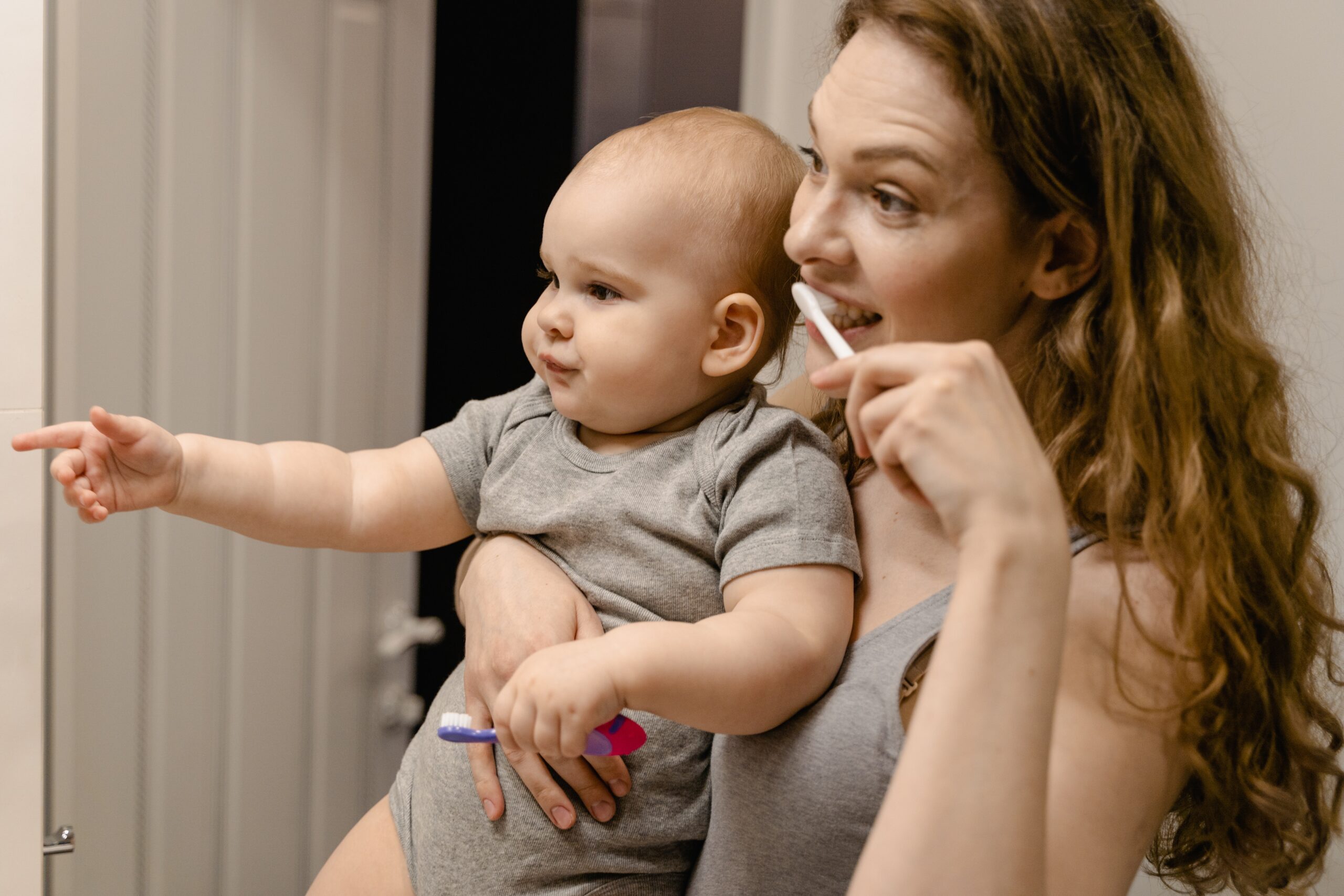
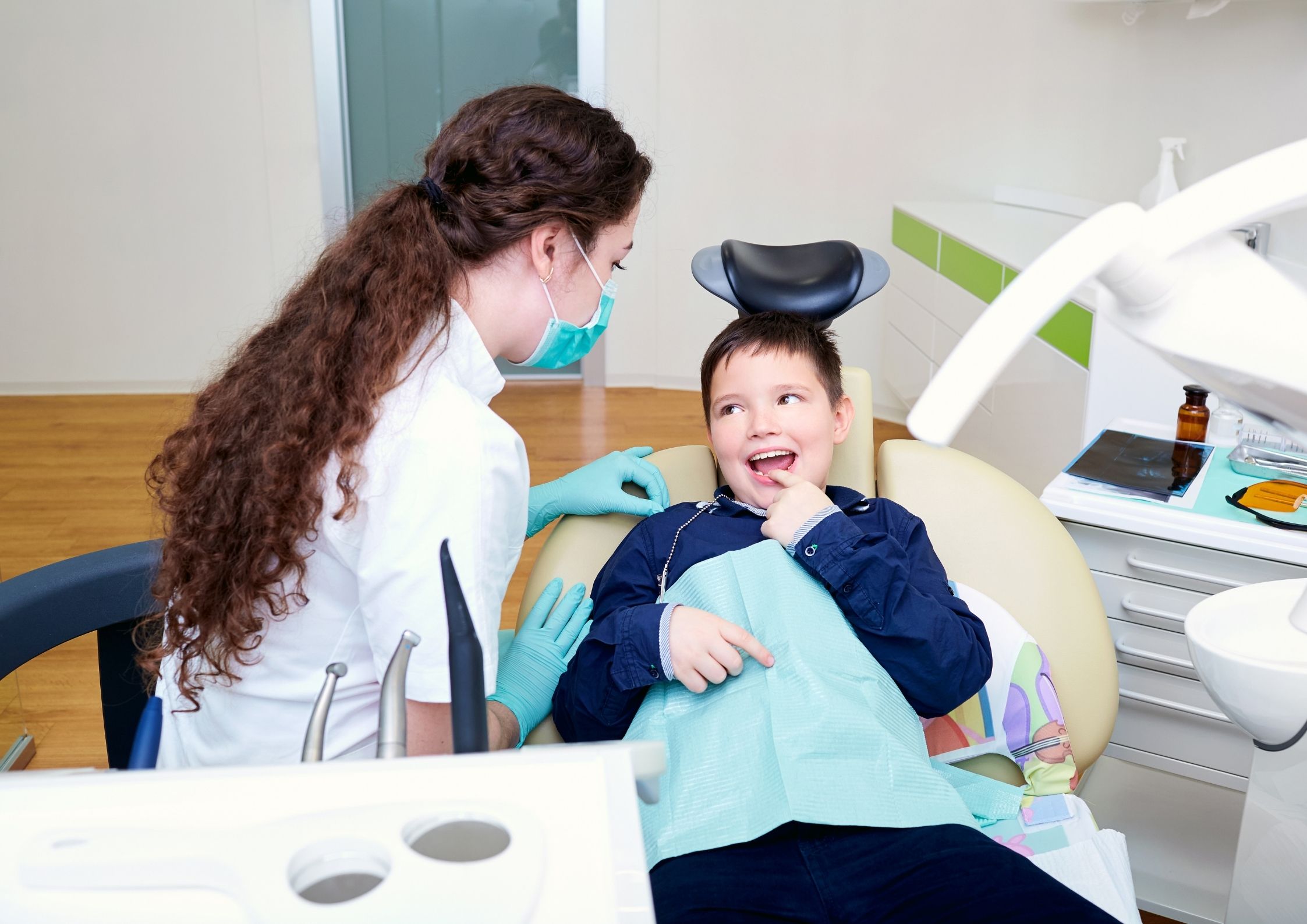
At Kennett Road Dental Practice, we are all about families. There is nothing more important in the world than your family, whatever form that comes in. We see parents everyday worrying about their baby’s first trip to the dentist. Will they scream? Will everyone look at us? Will the people in scary masks frighten him or her and what if something is actually wrong with their teeth? We’ve heard every possible anxiety and worry new parents experience when approaching the issue and we’re here to provide helpful, comforting advice on how to make your young child’s visit to the dentist a good experience for everyone.

When should your baby go to the dentist? Your baby should ideally visit the dentist before they are one year old. Although they may not have many teeth at the time you bring them, it is very beneficial to get them used to the lights, sounds and smells of the dental practice. This will make things go smoother later on when they have more teeth to examine. The NHS suggests you “take your child to the dentist when their first milk teeth appear. This is so they become familiar with the environment and get to know the dentist. The dentist can advise you on how to prevent decay and identify any oral health problems at an early stage.”

What if something IS wrong? At this stage it’s very unlikely there could be anything wrong that won’t correct itself in time. On the off chance we can identify a dental issue, it’s best to know about it sooner rather than later and to be proactive to protect their future adult teeth

How can you prepare your child for their first visit? There are many books and television programs aimed at preparing young children for their trip to see the dentist. Peppa Pig has a good book which we used to keep in the waiting room before the onset of the pandemic, but you may be able to borrow it from the library now they are open again.

CBeebies has an episode of ‘My Very First’ about visiting the dentist. Even ‘Sesame Street’ has a video about visiting the dentist which can be helpful in preparing your child. You should speak positively about going to the dentist and enforce this with older siblings too. Hearing negative things about visiting the dentist is likely to cause the child anxiety to some level before they even get to the surgery. Even if they aren’t talking yet, they are likely still able to understand a lot of what you say and pick up on tone of voice, so watch what they hear before your visit. You can also make a big thing of getting to “ride on” or “drive” the big dentist chair. This should make them feel more excited than resistant. Also, the idea of being able to see their own teeth on the television via a small camera should hold some level of curiosity for most children.

What should you bring with you? It’s a good idea to bring some calming toys and activities with you to the waiting room. It might be a good time to whip out a children’s book about visiting the dentist, so they can recognise some of the things they are seeing in the book nearby. Bringing a favourite teddy or doll with them is a grand idea because we can check their teeth too. Teddy bears are notorious for neglecting their dental health, so we’re happy to see to their toy’s teeth free of charge while your child visits the dentist!

If you would like to bring their pram or pushchair into the dental practice with you, it’s perfectly fine with us. There is plenty of manoeuvring room in the patient areas, so if they’re more comfortable in their buggy where they feel it’s safe, feel free to wheel them in. We only ask that you refrain from doing high-speed doughnuts in the waiting areas as it’s not really any one person’s job to clean up the tyre marks on the floor!

What we can do to help your child. We are invested in creating a comfortable and family-friendly atmosphere at Kennett Road Dental Practice. If for no other reason than that we hate to see anyone upset. If the child is upset, then so will the parent be and invariably the noise of a crying child will carry to the waiting room and cause a chain reaction of panic amongst our younger patients. We’ll go to any lengths to avoid that. We’re happy to use mirrors, toys, incentivising rides on our up and down chairs and stickers to create a positive experience. Rest assured that at one point or more in our careers every dentist has had to work around the arm of a parent holding a smartphone under their nose, playing ‘In the Night Garden’ at full volume to calm a nervous child. It happens and we’ll work around it as best we can. We’re all there for the same reason, we want the best for your child.

What you can do to help. One of the best things you can do if you have other children is to book back-to-back appointments for both of them. That way the little one can see their big brother or sister go first and they’ll feel more prepared for their turn, knowing what to expect. You could also sit your child on your lap if they are nervous and talk to them during the appointment. That way you get a free ride in the dentist’s chair too. We know you want to.

The first dentist trip is a learning curve for both parent and child, so don’t worry. Sometimes these things go well and both parent and baby leave with good behaviour stickers. That’s ideal, but sometimes it can feel more like trying to fold gravy as with any new experience with an infant. The best thing you can do is to remain calm and positive, be prepared with toys and Makka Pakka’s dance moves to distract your child. Above all it’s important for you to remember that visiting the dentist is not to be avoided on account of your anxiety or theirs. It’s really important that regular dental visits start now and remain consistent in your child’s life so they will be used to it and be less inclined to throw a tantrum later on.

New Year, Same Teeth: Taking Better Dental Habits into 2022

Christmas and New Year’s Eve can be a horrendous time if you’re a tooth. Sugar intake is typically doubled and then some with boxes of chocolates and mince pies a frequent appearance. It’s not just the food either, festive beverages can contain a whole lot of sugar. Add up the hot chocolate while visiting Christmas markets with the mulled wine at the carol concert and then tally up all the glasses of sparkling wine you’ve consumed over the festive period and you’re looking at literally bags of sugar.

Why are we telling you this now, you ask? Because we’re not out to ruin anybody’s fun. We’ve all had a trying couple of years and there’s no one we know that hasn’t earned a little treat shared with loved ones after dealing with the stress of the pandemic. Wellbeing is a balance and sometimes you have to prioritise one thing over another to achieve it. But now it’s a new year and it seems to us that resolving to make good decisions for your teeth and dental health is one of the best things you could do for your overall wellbeing.

When teeth are healthy, they don’t cause you pain or attract your attention. It’s only when they start to hurt or cause problems that we pay them much attention. The irony is that if we treated them right all year round, then it’s less likely they’d need much assistance. Dentistry is 90% preventative actions and 10 % noisy machines in our dental practice, so the more you can do for your own dental health the less likely it will be that you’ll need any dental interventions from us.

For the sake of our client’s everyday dental health, we thought it would be a good idea to draw your attention to some things you can do, or not do, to help the health and longevity of your teeth.

1. Sensible Sipping: Sugar in drinks tends not to register in many people’s minds as bad for you, at least in the same way as we consider sugar in foods. We’re British and drink millions of cups of tea as a nation every single day. At least half of tea drinkers have a sugar or two in each cup. They do add up. Juice diets and sugary meal replacements can cause an increase in the amount of sugar you consume and they’re particularly commonplace in January.

One of the most sensible things you can do in the new year for your all-round health, is to regulate the amount of sugar in the drinks you consume. Check the sugar content in the products you buy by using the traffic light system on the nutrition information. If you can get an alternative drink product that has a green rating for sugar over amber or red, then choose that one- but remember, it is best to keep consumption of these drinks to mealtimes. In between meals water is the safest and healthiest option!

2. Carbon Consideration: It isn’t just the sugar in some drinks to be mindful of. Sparkling wines like prosecco, cava, and Champagne contain around a teaspoon of sugar per glass (even the dry/brut ones) but they also contain carbonic acid due to the carbon dioxide. Carbonated drinks (even the ones that contain zero sugar) can damage enamel leading to thin, brittle, sensitive teeth and while many people consider their sodas and fizzy soft drinks, they don’t associate sparkling wines with the same issues. All carbonated drinks should be limited for the health of your teeth and drinking alcohol to excess can cause other health problems too that aren’t connected with your teeth.

3. Improve Your Dental Hygiene Routine: Everyone knows that you should brush twice daily and use mouthwash and interdental cleaning aids regularly, but that doesn’t mean everyone does it. The excuses we’ve heard about not practicing good dental habits each day range from “I don’t have time,” to “I heard floss isn’t eco-friendly”. We’ve heard every excuse under the sun, but you can’t argue with a tooth abscess or gum disease. We all have a responsibility to make good choices for our planet, but we must make good choices for us too. There are plenty of effective, eco-friendly alternative products for your teeth available cheaply online or in supermarkets. You can get bamboo toothbrushes, non-plastic floss and mouthwash in fully recyclable packaging without much trouble or cost to you. So let this be the year you build positive dental habits that will last a lifetime.

4. See Your Dentist: Despite our implacable safety measures, we’ve found that some people are still reticent to resume their regular dental health checks and appointments. We urge people to consider getting a dental health check if you haven’t had one since the pandemic began. We understand your concerns about keeping safe from the Coronavirus, but attending your dentist and hygienist regularly is one of the most important things you can do to ensure your own dental health and general wellbeing. Also, none of us are getting out much these days and we dentists get lonely. We miss you, so come and see us sometimes.

If you are mindful of your dental habits and dietary behaviours, then your teeth will thank you. As we say, too many people only pay attention to the health of their teeth when they cause pain and discomfort. We can’t say enough how important preventative care is in dentistry and that we dentists are only responsible for a tiny fraction of your oral care. The person who makes the real decisions that affect your dental health is you, so make sure you make good choices for your teeth and your general health too.

Finally, we’d like to say a very happy New Year from Kennett Road Dental Practice to you. We wish this year will have only good things in store for you and your family and zero toothaches thrown in.

Your Daily Oral Care Routine: The What’s the Why’s and the When’s

At Kennett Road Dental Practice, we hope you all know how and when to brush your teeth. It seems like the most basic thing to remember, but basic oral health is one of the things that we know can slip through the cracks when life already feels like a juggle. To make things nice and clear, we wanted to share some helpful tips about how to keep your mouth healthy between dentist visits and share some statistics from the Oral Health Foundation. They have collated some interesting figures about how many of us are actually fitting in the recommended course of oral care in our busy daily lives.

Toothbrushing: Most people are aware of the recommendations around toothbrushing. Use a fluoride toothpaste and a comfortable toothbrush to brush your teeth twice a day. Simple right? Well apparently not, because although thousands are making time to tune into Love Island recently, 26% of Brits are only brushing their teeth once a day. Is it just lack of time, or something else that causes over one in four people to skip an important step in their daily dental routine?

More concerning still, is that 1 in 4 adults do not brush their teeth before bed. Perhaps it’s the same people who are only brushing once. Who knows, and who cares if some people aren’t brushing their teeth before bed? What’s so special about the before bed brush anyway? Well, brushing at this time is actually the most important dental habit you can adopt. The official advice from the Oral Health Foundation is to “brush teeth last thing at night & one other time during the day, with a fluoride toothpaste.” So, not just ‘twice daily,’ specifically before bed and at any other time of day. If you take nothing else from this article, remember this: Brush your teeth before bed. Your teeth will thank you in later life.

Mouthwash: Some people are a fan, other’s not so much but how important is it really? It is important to remember that using mouthwash is not a substitute for effective toothbrushing and between the teeth cleaning. It is a useful add-on to your dental routine and can make your mouth feel extra fresh and clean. Brushing your teeth is the best way to keep them clean, but what about your gums, your tongue and the rest of your mouth? It is well known that many of the bad breath causing bacteria are present on your tongue and the soft tissues in your mouth, as well as your teeth. You use your whole mouth to process food, not just your teeth. To best protect from gum disease and other unpleasant, yet extremely common issues, we suggest you use an appropriate mouthwash at least once a day along with toothbrushing and interdental cleaning. If you don’t, then why not start now? When using mouthwash as an add-on, your mouth won’t be ‘extra clean’, it will be as clean as it should be. We recommend using an alcohol-free mouthwash as it is less harsh on your mouth.

Flossing and Interdental Cleaning: Not the contemporary dance move. No, we can’t figure out how to do it either, but we do know a lot about how to floss between your teeth. We recommend using interdental brushes to clean between your teeth for optimum dental protection. After all, brushing only removes up to 60% of the plaque and debris that builds up in your mouth on a daily basis! Food particles can easily get wedged between your teeth and breed infection-causing bacteria. The best way to protect your teeth and gums from that is to brush or floss between your teeth. Some people are pros at using dental floss or choose to use floss holders which prove less fiddly, but interdental brushes are our recommendation to keep your whole mouth healthier. We know that remembering all these things daily can be a task and a half in modern life, but we know teeth and we know how to care for them. If you think your teeth are important enough for us dentists to look after, then they’re important enough for you to look after too. After all, they’re your teeth and they’re the only set you get. Treat them well and smile with confidence.

If you’re prone to forgetting to perform your basic dental care, then why not set an alarm or reminder on your phone or smartwatch? We have access to amazing technology now, so use it to your advantage and get organised.

We’re happy to help and advise you at any dental appointment. The staff at Kennett Road Dental Practice are here to help and answer any questions you may have about your daily oral care routine, or any other queries. You can contact us by clicking here, or you can visit the Oral Health Foundation’s advice on daily dental care here.

Why We Still Ask Our Patients to Wear a Mask

Kennett-Dentist-Oxfordshire-Mask

At Kennett Road Dental Practice, we are happy things can start getting back to normal. Well done to the NHS, the vaccination program and those who have chosen to get vaccinated. Every little helps as we continue to work to stop the spread of the Coronavirus. Some people have asked about our policy on those visiting our practice continuing to wear masks. We’d like to explain our current policy and explain why this decision has been made.

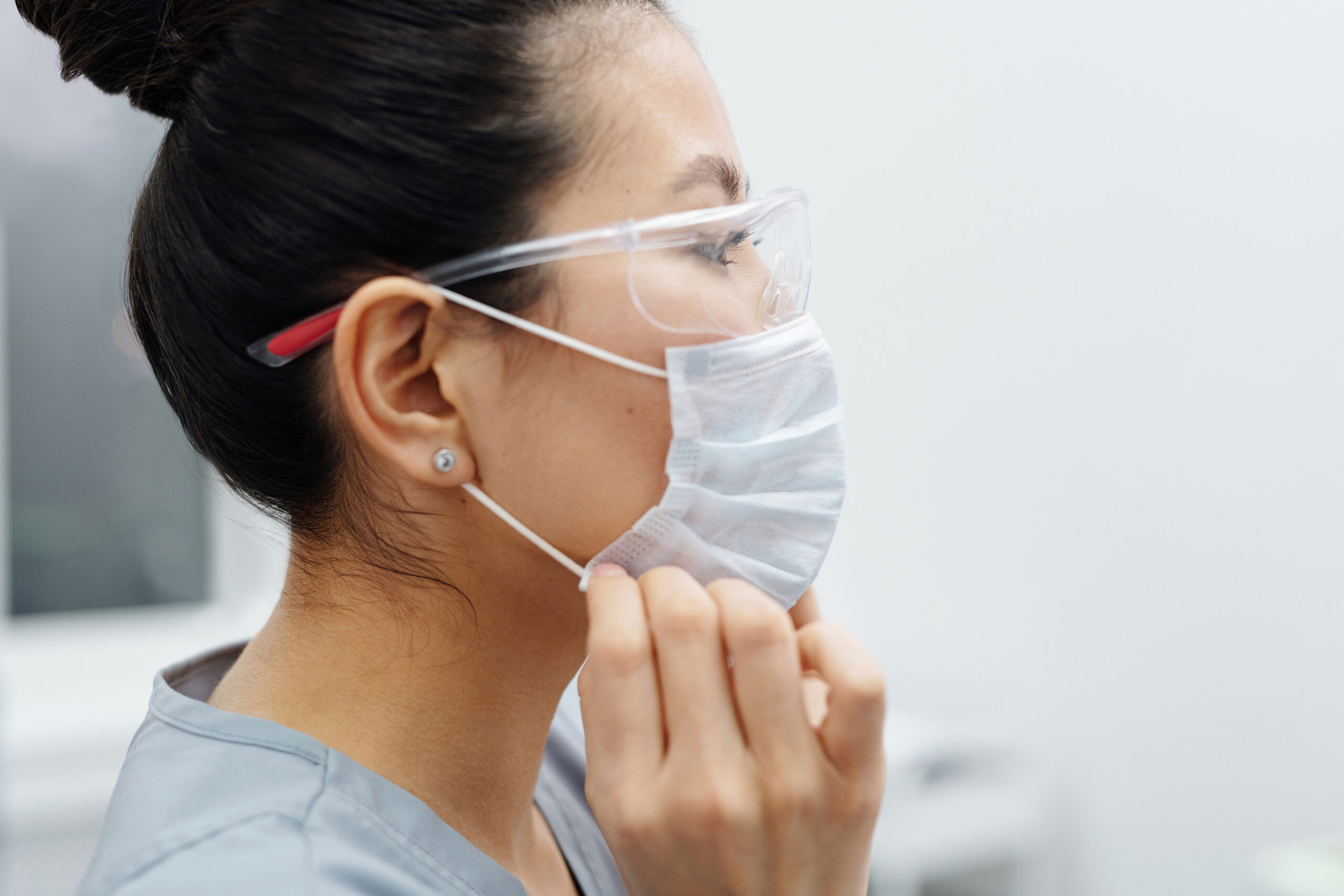
Firstly, rest assured that we are not talking about ourselves when we bring up the question of whether or not masks should be worn in the surgery. Our staff will continue to wear face coverings to protect you and dentists, hygienist, nurses and receptionists will continue to wear PPE, including masks, as we’ve always done.

Since the lifting of restrictions, many have rejoiced over the freedom of being able to choose whether they wear a mask or not in public places and inside business premises. We don’t wish to take away anyone’s freedom or choice, but at Kennett Road Dental Practice, we will continue to ask you to wear a face covering for the time being, if you can. By this we mean that if wearing a mask makes you very distressed or somehow affects your health, then do not worry. As before, we understand that certain people may be exempt from wearing face coverings and that some people may have adverse reactions to wearing masks. We would prefer our patients to be as relaxed as possible for their appointments. Anxiety helps no one in dentistry. If you cannot wear a mask for valid medical reasons, we will ask you to wear a face shield.

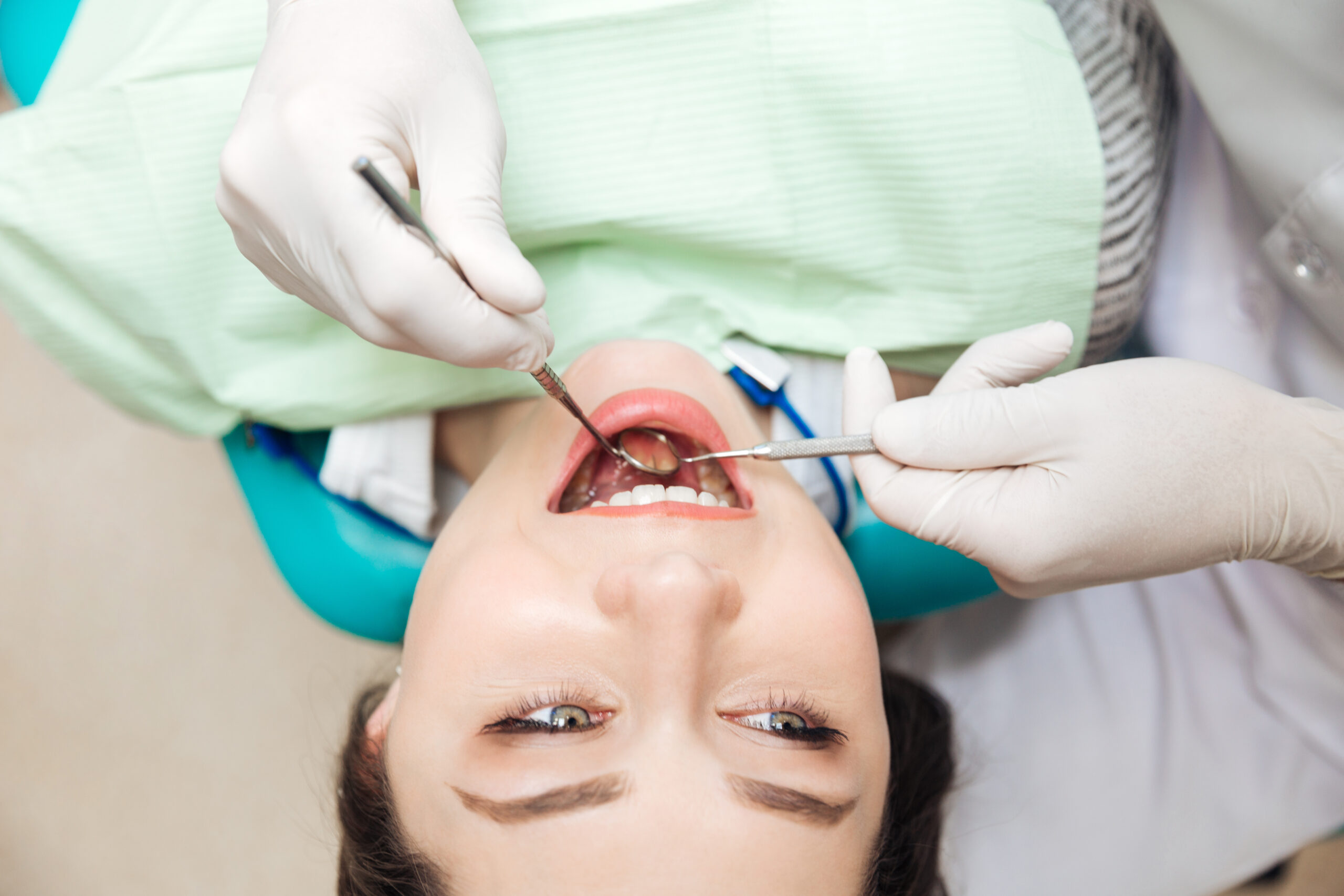
However, if you can wear a mask, we ask that you do so, while in the reception area and waiting areas. We expect it goes without saying, but you will not need to wear your face covering while in the dentist’s chair or while treatments are carried out for the obvious reason that we will need access to your mouth. We’re still asking patients to wear masks in other areas though because of the advice that we continue to be given. So, let’s see what the experts have to say on the subject:

  • The British Dental Association advises that “patients should attend wearing a mask if possible or be prepared to wear one. A distance of at least two metres must be observed if another patient is present in the dental practice.”
  • The NHS says, “NHS visitor guidance will stay in place across all health services including hospitals, GP practices, dental practices, optometrists and pharmacies to ensure patients and staff are protected. Staff, patients and visitors will also be expected to continue to follow social distancing rules when visiting any care setting as well as using face coverings, mask and other personal protection equipment.”
  • The Dental Tribune writes that “although people in England are no longer obliged to wear face masks when entering establishments such as shops, healthcare organisations in the UK have recently urged the government to keep face masks mandatory in healthcare settings.”
  • The General Dental Council advise that “infection prevention and control measures – such as social distancing and wearing a face covering – are staying in place for all healthcare settings across the UK, and for good reason. Everyone needs to be able to access dental treatment, including those who are clinically vulnerable, and members of the dental team of course need to be able to protect themselves too, not least to ensure they can stay open and continue providing the vital services to their patients that they do.”

We ask that you continue to protect those who are vulnerable by wearing your mask while visiting our dental practice. We must remember that although many people are double vaccinated (which is wonderful), that the virus is still around, is still extremely infectious and for some it can be dangerous. Masks protect others as well as yourself, so while a calculated risk might be acceptable to you, it could be fatal for someone else. We are continuing to carry out extra sterilising and cleaning on top of our usual exemplary hygienic protocols to keep us all as safe as we can possibly be. Please do your bit by wearing a mask to your appointment and be respectful of others.

It’s Mouth Cancer Awareness Month, But Why Should We Care?

We have spoken about how to detect mouth cancer in our blog before but it’s again that time of year that we try to spread the message about mouth cancer. It’s not a cheerful subject exactly, but it’s an important one. The truth is that a lot of people still don’t know that oral cancer even exists, let alone how common it really is.

It’s important for us dentists (who know the chilling statistics) to educate and explain the risks of mouth cancer and indeed the benefits of early detection. So, please, share this post far and wide and hopefully it might save someone a great deal of suffering by prompting them to take early or preventative action.

No one really wants to talk about mouth cancer. For one thing the word cancer still isn’t deemed an appropriate word for every occasion, but if word of mouth can spread the message and help people get the help they need, then it’s worth talking about. Sadly, oral cancer has started to soar over the last two decades. The Oral Health Foundation has this to say: “With a 97% escalation in oral cancer across the UK in the past 20 years and patients slipping through the net during the Covid-19 crisis, it is more important than ever before that as a profession we play our part in educating the world about oral cancer.”

So, the number of oral cancer cases has almost doubled in the last 20 years. That’s not good news and while there are campaigns to encourage checking for signs of breast and testicular cancer and government funded adverts to remind people to seek early help for signs of lung and bowel cancer, we have yet to establish a way to effectively start a national conversation about mouth cancer. November is mouth cancer awareness month but how many people does it reach? Is everyone, indeed, aware of mouth cancer in November? We suspect not. At least, not to the same extent that people engage with other cancer awareness campaigns.

It seems so strange to us that there seems to be some kind of body-part hierarchy which implies that some parts of our bodies are more precious and worth looking after than others. Even if that is the general feeling, it can’t be the case that people have decided that their mouths aren’t that important, can it? I mean imagine how our lives would change if our mouths and subsequently our speech were compromised. Everyone knows the dangers of skin cancer, and rightly so, but why aren’t we willing to protect our mouths in the same way that we diligently apply sunscreen? Perhaps we need a celebrity behind the campaign to get people to listen, or perhaps we need a spot on a news channel breakfast show. Maybe we need to get people muddy and sweaty in some sort of physical challenge to spread the news that mouth cancer is on the rise and is described by the OHF as a “silent killer”. Actually, Moveit4smiles does just that. The initiative aims to take part in strenuous physical challenges to spread the word about mouth cancer. Heard of it?

In 2011, the BDA wrote that “a major problem is that more than half of all oral cancer cases have already metastasized to regional or distant structures at the time of detection which decreases the 5 year survival rate to less than 50% for tongue and floor of mouth cancers”. In layman’s terms that means that by the time most oral cancers are found by professionals, they have already spread to other areas, in the mouth or in the body. This means that the survival rates for those with mouth cancer are considerably lower and more distressing than they need to be. Indeed, the statistics aren’t pleasant.

Cancer research UK reports that 80 percent of those diagnosed with oral cavity cancer live for one year or more after diagnosis, but only 45 percent live up to ten years after. There are different types of oral cancer and the statistics change based on which type is diagnosed and your age and gender. The types are:

  • Mouth (oral cavity) cancer – Cancer of the mouth including lips, gums, roof and floor of the mouth and cheeks.
  • Oropharyngeal cancer – The part of the throat just behind the mouth.
  • Tongue cancer – Cancer manifesting on or under the tongue.

For full statistics of the survival rates of different types of cancers you can see the Cancer Research UK website.

Who gets mouth cancer though? Surely there are risk factors which put some more at risk than others. Cancer Research UK confirms that “mouth and oropharyngeal cancer is more common in men than women. 1 in 75 men and 1 in 150 women will be diagnosed with mouth cancer at some point in their life [and that] most mouth and oropharyngeal cancers are diagnosed in people over 60.” Tongue cancer in particular is associated with “smoking, drinking a lot of alcohol and infection with the HPV virus” as causes of the cancer.

Smoking and/ or drinking alcohol are associated risk factors with all mouth cancers. “Smoking tobacco (cigarettes, pipes, cigars) increases your risk of developing mouth and oropharyngeal cancer. Research suggests that more than 60 out of 100 (more than 60%) of mouth and oropharyngeal cancers in the UK are caused by smoking”, according to CRUK. They also say that “drinking alcohol increases your risk of mouth and oropharyngeal cancer. Research shows around 30 out of 100 (30%) of mouth and oropharyngeal cancers are caused by drinking alcohol. Smoking and drinking together further increases the risk of cancer more than either by itself.”

We mention this because while the cause behind many cancers remains a mystery, there are trends in data which can help us prevent certain cancers should we wish to. Of course, we all know we shouldn’t smoke and shouldn’t drink to excess but it’s just too tempting to replace that thought with one along the lines of “but it won’t happen to me.” Well, if you’ve read this post all the way to here, you’ll know that scientific data doesn’t necessarily reflect that, particularly if you drink and smoke. Perhaps it’s hard to take mouth cancer seriously because it’s not talked about much, but that needs to change.

We encourage you to open your oral cavities and talk to your loved ones today about mouth cancer. We need everyone to understand how serious such a dramatic increase in mouth cancer is. Particularly this year when people were put off from attending their usual routine dental appointments and check-ups because of Covid-19. We need to be vigilant and make sure we know what to look out for. You can see our blog post about the signs of mouth cancer here. First, though, we need to know that oral cancer exists, so spread the word, share this article, and talk about it with those in your life.

Halloween Sweet Treat Alternatives to Keep Sugar Down this October

As we ease into Autumn with the pleasant sound of crunchy leaves underfoot, our minds naturally turn to the festivals that will soon be upon us. Although we know that many people do not celebrate or participate in Halloween festivities, there’s no denying that there are phenomenal quantities of sweets and treats on the shelves in the shops to keep up with demand of the season. Whether you do anything to acknowledge Halloween or Samhain in your household or not, you might find yourself with a higher amount of sugar in your system as you are tempted by the eye-catching candy and suddenly cheap prices of sugary treats everywhere you go. We wanted to help parents this year to make better choices for their little monsters and to draw the attention of mummies to some alternatives that are available which may be better for healthy fangs.

  • Bake with sweeteners. Baking is a common Halloween tradition for many families. It’s a good excuse to whip up some sugary, tasty treats in various novelty shapes but this year instead of measuring out the whole bag of sugar into the mix, you could substitute granulated sweeteners for all or a percentage of the sugar in the recipe. Many recipes already use sweeteners instead of sugar such as these peanut spider-shaped cookies, or these sugar free witch finger cookies which are totally spooktacular without the terrifying sugar content. This website helps you to figure out quantities of sugar substitutes for baking so you can make your favourite family recipes without the harmful sugar.
  • Go savoury. Halloween doesn’t need to be all about the sweets although it may seem hard to convince small sugar fiends of that. Then again, these cheese and pretzel witch broomsticks might just tip the scales. Also, Cheese Strings (now named Strings and Things) do pretty great Halloween designs on their packets with fun ideas of how to turn your cheese into a ghost or ghoul shape. While it’s not exactly nice to play with one’s food, there are few things more precious to parents than the means to keep their kids busy, quiet, and out of trouble for five minutes while trying to tie their cheese in knots. For one night a year, I think we can allow playing with food, especially calcium-rich foods like cheese which are better for teeth and bone health than sugary sweets. Matilda Ramsay’s scary goblin head recipes use whole peppers, cheese and rice to create a spooky, savoury treat for the dinner table or the party platter. These are not only nutritious but delicious and fun for small fingers to make.
  • Use the fruit. There are plenty of stunning, seasonal fruits available at this time of year, so it makes complete sense to us to utilise nature’s bounty for healthier spooky treats. These fearsome looking apple sun butter teeth bites are the best of both worlds. They look creepy enough for Halloween and take some creativity to make but they are made from fruit and sunflower seeds. What a clever way to encourage kids to eat more fruit at this time of year. If bananas are what your little ones like, try these banana ghost pops which use coconut, yogurt, and frozen bananas to make a tempting snack or pudding which is naturally sweet without adding sugar. Just be sure to check the yogurt you choose because many have absurd quantities of added sugar in them.
  • Make your own candy apples. Making creepy jaws aren’t the only use of apples for Halloween. We can think of at least three more. Candy apples are a traditional Halloween treat but you can easily make your own at home which will be a fun (albeit messy) activity for little monsters to enjoy. When you make things at home, you know exactly what’s in it and can cut out a lot of the sugar that way. One option is to use yogurt for a coating and a few sprinkles to make it more exciting, then freeze it for a few minutes so the yogurt coating hardens. You could also use your pumpkin carving skills to make spooky faces in the apples or smother them in reduced sugar chocolate which you can find in most supermarkets. The manufacturers have already substituted some sugar in the recipe for you without compromising on taste. Also, it’s common knowledge that children are more likely to eat fruit and veggies if they’ve had a hand in preparing or making them themselves. Apple donuts are also a great treat at Halloween or whenever your tiny monsters are feeling under the weather. Simply slice apples thickly and core the middle to make a donut shape. Then top with natural or vanilla yogurt, fruit, and/or sprinkles to make it look like an iced donut. Freeze for 30 minutes and let your mini vampires sink their teeth into them.
  • Go traditional. Not all Halloween activities need to revolve around sweets. Apple bobbing is seriously good fun to try with friends and families. Just don’t underestimate how messy it can get, and how difficult it is. Do assume you’ll need waterproof mascara, ladies, because you will. Also, pumpkin carving doesn’t involve any sugar. It’s a great traditional pastime and an opportunity for getting creative. Toasting pumpkin seeds in the oven with a little salt or cinnamon is also a very tasty option for an autumn snack. There are many recipes online which use pumpkin, so nothing goes to waste. Kids dig recycling now, so you shouldn’t have any trouble selling that to them. These gluten-free pumpkin pie snowball cookies, for example would make most kids light up like a jack-o’-lantern.

Whether you celebrate All Hallows Eve or not, you might find some of these autumn inspired recipes and ideas are fun to make and do together. We hope you find these ideas helpful in fighting off the scary sugar demon this October and we’d absolutely love you to send us pictures of your tasty creations or let us know how your wee ones liked them. Remember to keep up tooth brushing and enjoy all the season has to offer in moderation. Happy Halloween from our not-so-scary team at Kennett Road Dental Practice.

Childhood Oral Health: How the Childsmile Initiative is Helping Parents Look After Their Children’s Teeth.

Seven years ago, the NHS in Scotland launched a successful initiative called ‘Childsmile’. The purpose of this is to promote the importance of good oral hygiene from childhood and beyond and to educate parents and carers in practical ways to encourage good dental health habits in their children. Childsmile says that “good oral health in childhood means healthy teeth and gums throughout life. Childsmile is working to ensure all children, regardless of income or background, have the best possible start.” We don’t have anything like this in England yet, but at Kennett Road Dental Practice, we admire the efforts of the Scottish NHS for the work they do to educate families and to promote good dental health for the next generation. So here are some of the helpful features of the Childsmile website that anyone can access and some ways that Childsmile are pioneering a blanket improvement in oral health in Scotland.

Oral health guide by age. The user-friendly Childsmile website provides advice on age-appropriate oral care products and practices. The free guides and tips are divided by the age of your child so parents can easily make sure they are getting the correct advice for their child’s age. There is a page for children from birth to 3 years old, one for 3 to 5 year olds and also one for children aged 5 to 12. This makes it so easy for parents and carers to know what they should be doing to look after their child’s teeth and at what age they need to do something slightly differently, such as changing the fluoride content of their toothpaste.

Toothbrushing help for parents. We know that not all children like having their teeth brushed. The important thing to remember is that if you ease up on oral care because they’re upset, then when they’re older, they won’t thank you. Better a tear now, and a beautiful smile they can be proud of later in life. With that being said, we understand that toothbrushing can be a source of stress and anxiety for both parent and child. Childsmile have some great advice and tips on their website for parents to accomplish toothbrushing with small children without the drama. What is particularly great about the advice from Childsmile is that they effectively communicate that there is no one “right” way to brush your baby or child’s teeth. There are different options, various positions you can try, different toothbrushes, toothpastes and tools you can try to relieve toothbrushing time of unpleasantness. Whatever gets the job done well, with the minimum of tantrums, that is what works for you. So, do what works for your child and for you.

Visiting the Dentist. Although we don’t have Childsmile here in England, their advice is still sound. They offer advice on what to expect when you take your baby to the dentist, when you should register them with a local practice and who the dental professionals are that you might meet while your child is young. Childsmile write that “taking your baby to the dental practice as early as possible helps them to get used to the sights, sounds and smells of a dental practice and give you access to information, advice and support for looking after your child’s teeth.” We couldn’t agree more. If you think it’s hard getting at your toddler’s teeth imagine how hard it would be for us to get a good look in their mouths if they aren’t used to going to the dentist. Your child already trusts you. Us, not so much yet.

Childsmile in Scotland. Childsmile is so dedicated to providing not just life-changing information to parents, but also physical dental care equipment for children. Regardless of the parent’s earnings or background, Childsmile provide every parent through their health visitor “with a free dental pack containing a toothbrush, toothpaste of at least 1000 parts per million (ppm) fluoride and oral health messages. They can also direct you to a dental practice in your area.” Talk about putting your money where your mouth is. The Scottish government are clearly willing to spend out a lot of money to ensure that children’s dental care is a priority. Scotland, we salute you!

Once the child reaches nursery age, they are then entitled to another free pack of dental care goodies as well as access to educational talks and supervised tooth brushing at nursery if your child’s nursery is part of the Childsmile program. What an amazing resource to ensure that parents are maintaining their small children’s teeth properly. This can be a crucial age for dental care because most milk teeth will have erupted by then and children grow in independence at this age. They become more responsible for their own self-care and their parents take on a less active role. This is fine as long as teeth really are being brushed properly and consistently, but it never hurts to check that this is actually the case. Did you ever lie about brushing your teeth as a child? No? Gold star, but seriously, if children are left to see to their own dental care routines, they might not be managing it as well as an adult would. That’s why regular dental checks for young children and age-friendly dental health talks are such a good idea in nurseries.

At Kennett Road Dental Practice, we admire the work of the Childsmile scheme, and we live in hope that our NHS will adopt a similar program to encourage good dental health routines from birth. To have such a well-connected network working with families, nurseries and dentists to take care of their children’s oral health is such a great idea. With an initiative like this, we hope it will continue to provide a long-term escape for those struggling with dental poverty and lack of access to information and resources to properly look after their family’s teeth.

If you need to register your baby or child with the practice, you can get in touch with us here. We are always happy to see new faces and we’ll work with you to make sure your children have no cause for anxiety when visiting the dentist.


Which Toothbrush Is Right for Me?

There are so many toothbrushes on the market, it’s hard to know which one is for you. Should you get electric or manual? Plastic or eco-friendly? We know it’s confusing with so much choice and although we don’t want to recommend any specific brands of toothbrushes or dental care products, there are a number of factors you may wish to consider when the time comes to replace your old toothbrush.

1. Electric or manual?

There is some debate as to whether electric or the traditional elbow-grease powered ones are more effective in the fight against plaque. According to the Oral Health Foundation, a 2019 study found that electric toothbrushes may help your overall dental health better than their manual counterparts. The OHF reports that, “scientists found that people who use an electric toothbrush have healthier gums, less tooth decay and also keep their teeth for longer, compared with those who use a manual toothbrush.” Clearly the evidence suggests that electric toothbrushes are more effective at maintaining and improving oral health, but they are also considerably more expensive. It is more important that you have a toothbrush and use it than that it is top of the range. We advise that you get the kind of toothbrush that you are most comfortable with and that appeals to you visually because you are more likely to use it consistently if there’s something you like about it.

2. Plastic or eco-friendly?

There has been an increase of dental products on the market in recent years that are made from sustainable and more eco-friendly materials than the usual plastic ones. The electric toothbrush market is a little more behind in this regard, as these tend to last longer and need therefore to be made from more resistant and durable materials. There are bamboo varieties of electric toothbrushes now available from some online retailers and also varieties of degradable toothbrush heads which are compatible with big brand electric toothbrush units. That means you don’t have to replace your whole toothbrush if you want to be more eco-friendly but still use an electric toothbrush for a better all-round clean.

Until recently, finding an eco-friendly toothbrush has been a fairly niche market for online retailers. But now Colgate has brought out a very competitively priced bamboo toothbrush with degradable and recyclable packaging too. Since it is produced by such a named brand, it is available at your local supermarket making it even more convenient to be a friend to your planet. Bambooth is the only biodegradable toothbrush brand that is approved by the Oral Health Foundation to our knowledge. According to them “more than 3.5 billion plastic toothbrushes are produced every year with the majority of these ending up in oceans and landfill.” With the average plastic toothbrush taking 1000 years to degrade into microplastics, we do see the appeal of making more eco-friendly choices when it comes to replacing your toothbrush. We applaud any company’s efforts to be more planet kind in their manufacturing and we hope there will continue to be more advances in the eco-friendly oral health product industry in the future.

3. Branded or supermarket brand?

Although we recommend getting a toothbrush from a brand you trust, we would point out that the oral care products manufactured by the majority of British supermarkets are approved by the Oral Health Foundation, including those sold by Lidl and Aldi. A full list of the brands and products they approve of can be found here. As we said before, get a toothbrush you like the look of as well as one that is in your price range. Whether you feel you trust a known named brand more to look after your teeth or you’d rather save a few coins, as long as you have a toothbrush that is comfortable to use and that you like, you’re doing fine.

So now you’ve got an idea of what sort of toothbrush is right for you, when should you go about replacing your toothbrush? Most oral care brands recommend replacing your toothbrush or electric toothbrush head every three to four months. According to scientific studies An investigation into the effect of three months’ clinical wear on toothbrush efficacy: results from two independent studies – PubMed (nih.gov) ‘a worn toothbrush is less efficient with respect to plaque removal than a new brush’. Also, a lot of bacteria can build up on your brush over time,so, if it’s possible for you to do so, replace your toothbrush every three months. Using four toothbrushes a year means that switching to an eco-friendly alternative may be a very sensible consideration.

With life expectancy in the UK around 80 years, that’s around 320 toothbrushes ending up in landfill or in the ocean per person in their lifetime. That’s a lot of microplastics in our marine life and wildlife’s stomachs. Just one side of the argument, but now more eco-friendly alternatives to plastic brushes are more widely available, it might be worth considering making more planet friendly choices regarding your dental care products. As we’ve said before, whichever toothbrush is comfortable for you and appeals to you, that is the right one for you.

We hope we’ve given you something to think about for the next time you come to replace your toothbrush. Remember that Kennett Road Dental Practice are still here for you, even during lockdown to cater to your dental needs. Check ups and routine appointments are available as well as emergency procedures. Please feel free to get in touch with us if you have any concerns over your dental health or wish to book an appointment.


Scroll to top