
The arrival of wisdom teeth can fill some people with anxiety and even despair. Everyone has heard of a friend of a friend who had their wisdom teeth out and couldn’t eat properly for months after the procedure. We thought it might be helpful to debunk some of these wisdom teeth myths and alleviate some anxiety about wisdom teeth.
What are wisdom teeth? Wisdom teeth are so named because they usually arrive after a person has reached maturity. Well, medically speaking, at least. Sometimes called third molars, these teeth usually erupt well after all the other teeth have been in place and settled for many years. The most common time to start feeling wisdom teeth growing in the back of the mouth is when a person is in their late teens or early twenties. Often, people with wisdom teeth will have four: one in each corner of the mouth, behind the usual two molars.
Why do we have wisdom teeth? It’s not entirely clear why many people have third molars, but one theory suggests that it might have something to do with evolution. Healthline advises that “one belief is that wisdom teeth served as replacement teeth for our distant ancestors. Today, we eat foods that are soft or tender, and most people practice good oral hygiene. Both factors help reduce the likelihood of losing teeth.” It is true that tooth loss has decreased over time which would indicate that it might have been very common for tooth loss to occur in ages gone by. Perhaps a new molar in each corner to replace lost teeth might have come in very useful once upon a time if our ancestors wanted to eat more than soup.
Are wisdom teeth bad? No, not at all! Most people have wisdom teeth, though some people don’t have all four and occasionally some people have none at all. Wisdom teeth are perfectly natural and although your dentist will sometimes recommend that they be removed, for the majority of people, they are completely harmless. Wisdom teeth can sometimes ache when they are breaking through the gums, but the pain is usually short lived. If they are causing you serious pain or the pain doesn’t subside, it’s advisable to see your dentist to make sure everything is as it should be.
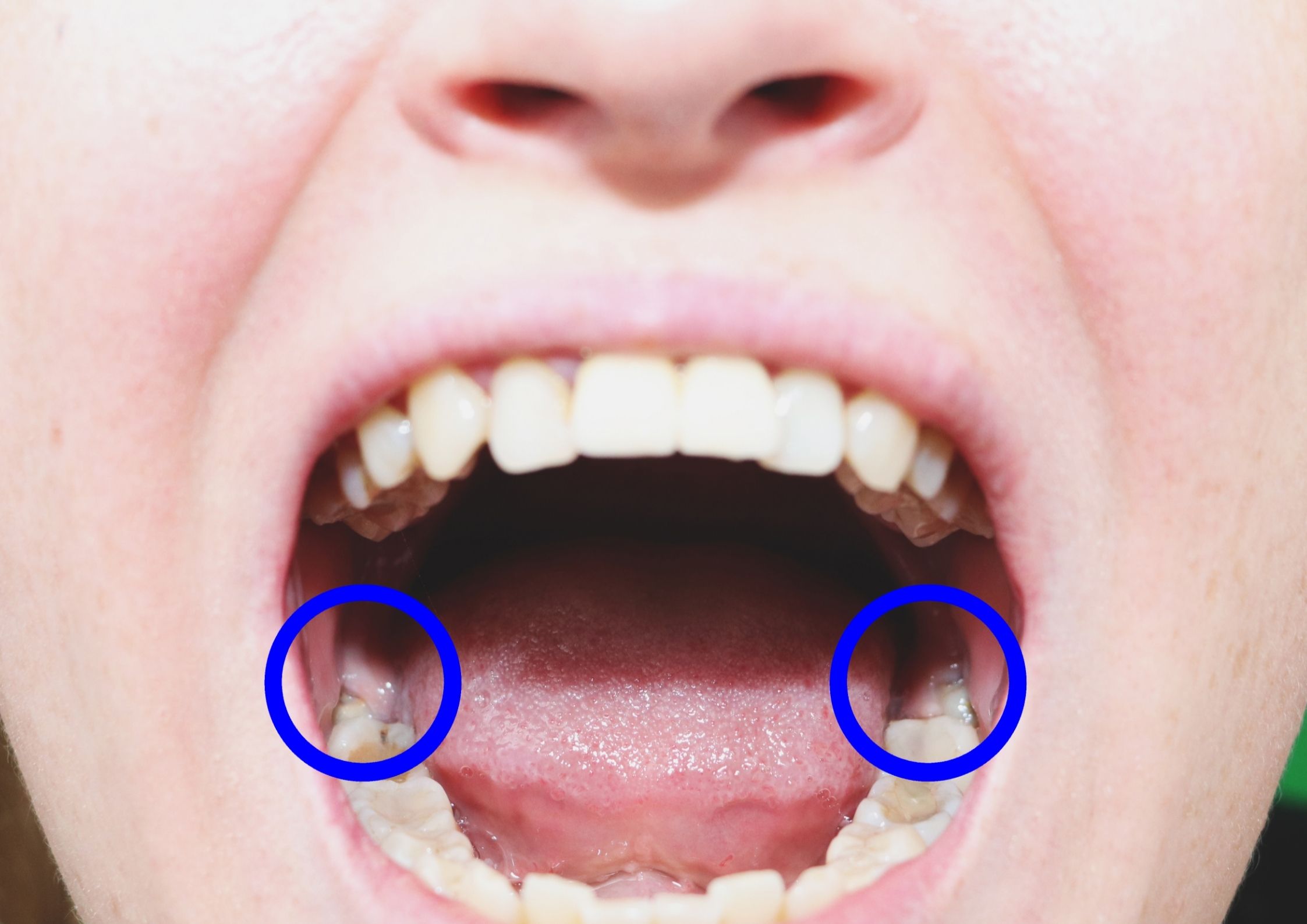
When are they a problem? Although most wisdom teeth are quite harmless and just want to be left in peace to accomplish their destiny of grinding up vegetation in your mouth, there are some instances when wisdom teeth can become troublesome. Wisdom teeth don’t always grow correctly. If they were supposed to replace lost teeth which haven’t actually been lost, then it would explain why they can sometimes lack the room to grow properly in the mouth. The NHS advises that “because of the lack of space, wisdom teeth can sometimes emerge at an angle or get stuck and only partially emerge. Wisdom teeth that grow through like this are known as impacted.”
Impacted teeth may cause you no pain or dental problems at all, in which case it’s best to let them be, but sometimes impacted wisdom teeth or semi-emerged wisdom teeth can cause food and bacteria to become trapped around them which can result in a build-up of plaque. This can, in turn, lead to gum disease, tooth decay or bacterial infections. It is worth mentioning that many of these problems can be solved by improving your daily oral hygiene routines and by following advice from your dentist and hygienist.
What can be done about them? Impacted wisdom teeth can cause pain in the mouth and gums and may need to be removed by a dentist. According to the NHS “if your dentist thinks you may need to have your wisdom teeth removed, they’ll usually carry out an X-ray of your mouth. This gives them a clearer view of the position of your teeth.” If the X-ray shows that your teeth are impacted or likely to cause problems , they might suggest having them removed.
When it is necessary for a wisdom tooth to be removed, it will usually be done using local anaesthetic.
For more information about how dentists or oral surgeons remove wisdom teeth, you can speak to your dentist or see the NHS website which provides useful information about the procedure and recovery. Kennett Road Dental Practice are always happy to discuss your dental worries and offer professional and impartial advice. If you are concerned about your wisdom teeth or suspect that one is impacted, you can get in touch with one of our friendly team here.