

Protecting Your Teeth in the Season of Sugar

Protecting teeth from sugar in summer

Summer is here, which means you’re probably spending a lot more time outdoors than not. If you’re like us, that means you’ve been snacking on all sorts of sugar-laden treats like fizzy drinks, ice cream, and sweets. But have you ever wondered what those treats are doing to your teeth?

The answer is: A LOT. Snacks high in sugar can lead to tooth decay! So, keep reading to discover everything you need to know about sugar, how it can affect your teeth, and the best ways to maintain good oral health this summer!

How does sugar affect your teeth?

Sugar causes plaque to build up on your teeth, which can lead to cavities and gum disease.

When you eat sugary foods, bacteria in your mouth use the sugar as fuel to create acid that erodes tooth enamel. If you don’t brush and clean between your teeth after eating sugary snacks, those bacteria will spread even more quickly throughout your mouth.

Should I brush straight after eating sugar?

Try not to brush immediately after eating or drinking sugary foods.

By brushing right after, you are helping the sugar erode your teeth. Wait at least an hour after consuming something sweet before brushing your teeth so that the sugars have time to dissolve naturally in your mouth and your saliva can neutralise any acids. Drinking water will also help with this.

Does cutting sugar help teeth?

Yes! Cutting sugar is one of the best things you can do to improve your oral health. It will take some time for your mouth to adjust, but once it does, you’ll notice that your teeth feel stronger and healthier. You’ll also notice that plaque build-up will be less and when it does occur, it’s much easier to remove!

Does rinsing with water remove sugar?

Yes, drink lots of water throughout the day, at least 8 glasses.

Water helps wash away plaque build-up on teeth and can even help prevent tooth decay.

What are good sugar alternatives?

Straight swap sugar alternatives are sweeteners that have a lower glycemic index than regular white sugar.

They include honey, Stevia, and fruit juices (cranberry, grapefruit, apple, and orange juices all have lower glycemic indices than white sugar).

There are lots of alternatives for tasty sugar snacks out there—you just have to know where to look. However try to confine these to mealtimes- even  though they are lower in sugar the acid in fruit juices can damage tooth enamel.

If you’re looking for something crunchy that’ll satisfy your sweet tooth without wrecking your smile… look no further than carrots! Carrots are naturally sweet and crunchy.

How can I keep my teeth healthy in summer?

You can help your teeth stay strong and healthy by brushing with fluoride toothpaste twice a day for 2 minutes, flossing or using interdental brushes once a day, and if you wish you can rinse with mouthwash in between meals- but make sure it is alcohol free mouthwash!

If you are at all worried about your family’s oral health at this time of year you can always book a check-up or hygienist appointment during the summer months to put your mind at ease and ask any further questions you may have.

We are here to help!
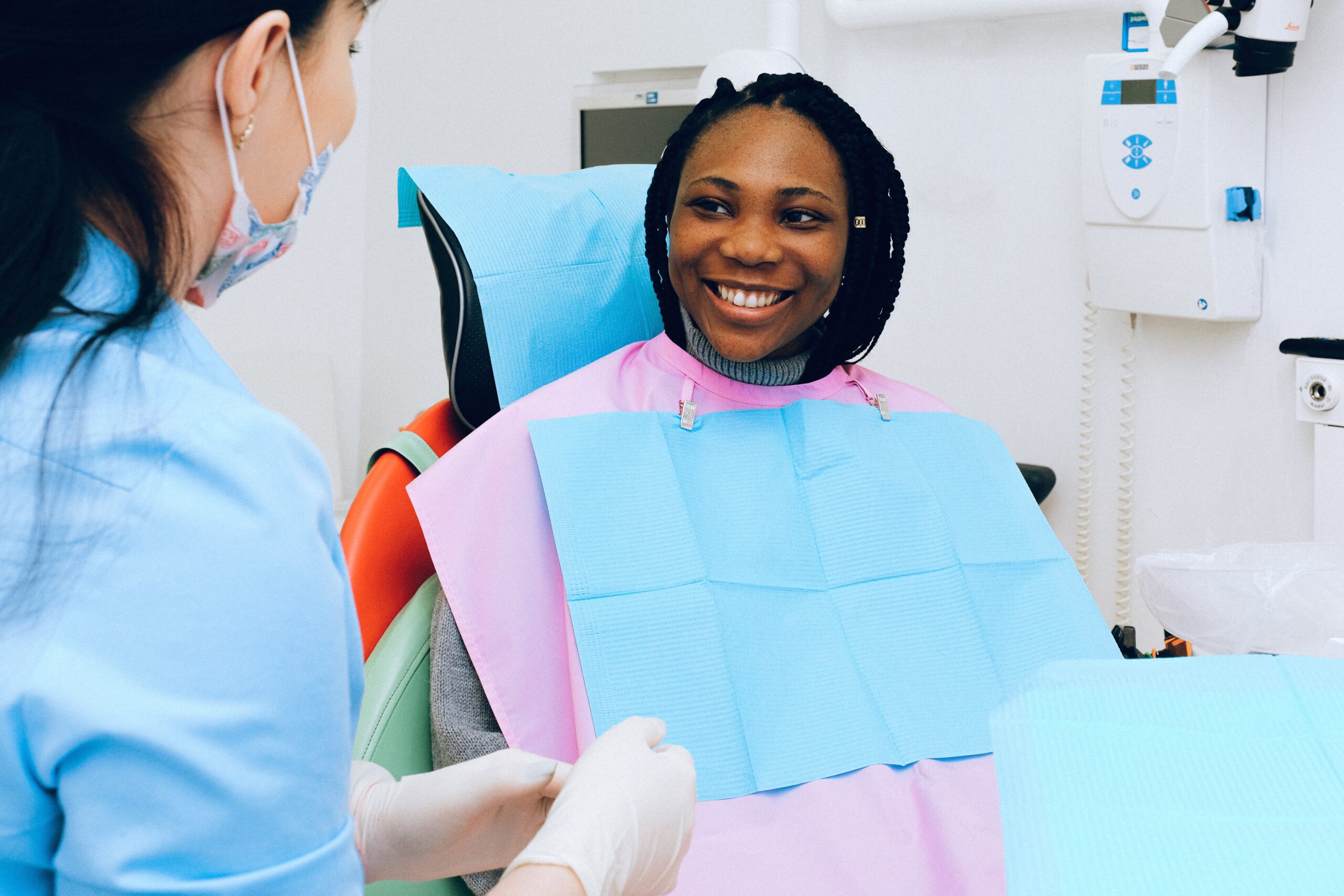
Don’t Let a Cracked Tooth Shatter Your Confidence

Cracked teeth are more common than you may realise, but you don’t have to put up with the discomfort or inconvenience they cause you. They are not only irritating in your day-to-day life, but they can also be unsightly, and this can affect your confidence.

At Kennett Road Dental Practice, we understand how something as simple as a cracked tooth can cause you severe distress and we’re always happy to treat and advise you on your individual situation. In the meantime, though, here is everything you need to know about cracked teeth in case you or someone you know has one, or in case one of your teeth cracks in the future. Like we say, it happens more often than you might think.

What is a cracked tooth?

Essentially a cracked tooth is one which has become broken in some way. There are different types of cracks you can experience in your teeth and not all teeth crack in the same way. Levels of pain and discomfort can vary enormously and they can lead to an increased risk of bacteria entering the nerve of the tooth causing further oral health problems.

What are the different types?

There are many ways your tooth can crack but the main types of cracked or broken teeth we see are:

  • Cracked tooth: This is when a crack goes from the biting surface of the tooth towards the root. The tooth will not be split into two halves, but the sensitive dentine will usually be damaged and irritated if a crack has occurred.
  • Craze lines: These are very small cracks to the outer enamel and are common in adult teeth. They do not cause pain and require no treatment. Occasionally through staining, these craze lines can become visible and can cause embarrassment and a loss of confidence. If this is the case, you should absolutely talk to your dentist about how they can help, even though you’re not in pain.
  • Cracked cusp: The cusp is the pointed part of the biting surface of the tooth. If a cusp (or corner) becomes damaged, the tooth could break. If a cusp is cracked, you will usually experience a sharp pain in that tooth when biting.
  • Vertical root fracture: This is usually the result of an untreated cracked tooth, and it happens when the tooth splits into two halves from the biting surface through to the root. This tooth will need to be extracted.

How can it happen?

There are several ways that a tooth can become cracked, including tooth grinding which can put teeth under extreme pressure if it is severe enough. Biting down on hard foods such as ice or boiled sweets can cause a tooth to crack. Also, if you bite something hard in your food that is unexpected such as a fruit stone or meat bone, this can cause a tooth to crack.

Sudden changes in mouth temperature can also cause tooth damage in a similar way to how outdoor pipes may crack in the winter when temperatures change suddenly. So, eating very cold or hot foods can exacerbate a crack or even cause one. Sharp trauma or a sudden blow to the face, chin or jaw can cause a tooth to crack or chip. Other oral treatments or issues can also contribute to a tooth cracking. Teeth with large fillings, for example will not be quite as strong as a tooth without a filling. They are, however, stronger than a tooth with a large cavity with no filling, so fear of your tooth cracking is not a reason to avoid getting a filling. At Kennett Dental we use white (composite) filling material to restore teeth which bonds to the tooth structure, thereby reinforcing it and protecting it.

What can I do about it?

Teeth can break and crack under all sorts of circumstances. The important thing to remember is to get the tooth looked at quickly. Especially so if it is causing you any pain or discomfort while eating as that means the tooth may not be stable or able to continue undergoing the stresses of eating for long without further problems occurring.

We understand that some people would rather put up with the pain than go and see a dentist and while we shall try not to be offended, we do understand. People can be anxious about visiting the dentist for all sorts of reasons and one of the main ones is a fear of needing treatments or further appointments. To that, we say that you are far more likely to need further treatments if you avoid getting a crack or a suspected crack checked out by a professional. As we have mentioned, the likely outcome of a cracked tooth when left untreated is eventually a split tooth. If you wouldn’t put off getting a crack in your windscreen seen to, then we don’t advise you avoid getting a cracked, chipped, or broken tooth seen to. Both cracks, if ignored can lead to a worse situation than the one you’re in now. Just like the windscreen, your tooth won’t heal itself. It needs professional help.

For more information on cracked teeth, you can check out this page on the Oral Health Foundation’s website. Or to book an appointment with one of our friendly dental care specialists at Kennett Road Dental Practice you can find our contact details here. We want you to achieve your best possible smile and we are always here to give dental advice that is clear and helpful.

Everyone deserves a healthy smile – National Smile Month

National Smile Month is a charity campaign by the Oral Health Foundation running between 16 May and 16 June 2022. National Smile Month is all about championing the benefits of having good oral health and promoting the value of a healthy smile.

Maintaining a healthy smile can be simple but for so many in the UK oral disease is far too common. Despite the many improvements in oral health over the last 40 years, inequalities continue to be a burden for countless individuals.

We wanted to get involved by helping to spread the message of the four main ways you can achieve a healthy smile.

Toothpaste in the shape of heart coming out from toothpaste tube. Brushing teeth dental concept. 3d illustration

1. Brush teeth for two minutes, last thing at night and one other time during the day, with fluoride toothpaste.

Why do we recommend brushing your teeth for two minutes? 

Brushing for the full two minutes is important in ensuring you have removed any food and plaque that has built up on your teeth during the day. The sugars found in food feed the bacteria in plaque; removing both food and plaque is imperative for your oral health. Plaque build-up causes tooth decay and gum disease.

Why do we recommend brushing twice a day?

Brushing twice a day prevents tartar build-up by removing plaque before it hardens. It will also help to prevent bad breath, keep your teeth whiter, and improve your gum health, preventing gum disease!

Why do we recommend fluoride toothpaste?

Most toothpaste now contains fluoride because it is very effective in preventing tooth decay. The amount of fluoride found in toothpaste is usually enough to reduce decay by keeping tooth enamel strong. Some areas add fluoride to their water supply, in these areas using fluoride toothpaste will give extra protection.

It may seem like a laborious task, but brushing for 2 minutes, twice daily with fluoride toothpaste is a little bit of work with a huge payoff!

2. Clean between your teeth every day.

Interdental cleaning is an important step in keeping your teeth and gums healthy. Even if you don’t do it yet, it’s never too late to take this step toward a healthier smile!

Why do we recommend cleaning between your teeth daily?

A daily clean between your teeth helps remove plaque from hard-to-reach areas that your toothbrush can’t get to. Reducing plaque build-up helps with three things we’d all rather avoid: gum disease, bad breath, and decay.

Floss is the most well-known tool for interdental cleaning, but you can now find interdental brushes which can be easier for some to use than floss. You can also use interdental picks, wooden plaque removers, and dental picks to clean specific areas in between your teeth. Speak to our friendly hygienist Krystyna who will talk you through what you need to do to keep your teeth and gums healthy.

Cut down how much and how often you have sugary foods and drinks.
Delicious milkshakes on the table

3. Cut down how much and how often you have sugary foods and drinks.

Sorry to all the sweet tooths out there!

We all have bacteria in our mouths, that’s something we can’t change, but when we consume sugar it combines with the bacteria to produce acid which weakens tooth enamel. . The more your teeth are exposed to sugar the more time the bacteria have to produce this acid and the more detrimental it will be for your oral health.

It’s a no-brainer, cutting down your daily sugar intake can reduce your risk of tooth decay, cavities, and tooth loss!

Portrait of dentists and child patient in dental clinic

4. Visit a dentist and hygienist regularly.

You should visit your dentist for a check-up every 6 months and see your hygienist on a regular basis.

Why do we recommend visiting your dentist and hygienist every 6 months?

We recommend regular visits to your dentist because plaque and tartar can build up in a very short time. If not removed, soft plaque can harden on the teeth and irritate the gum tissue, and subsequently if left untreated, plaque can lead to gum disease.

Checking for tooth decay is just the start! During your dental health check appointment, your dentist and dental hygienist will also evaluate the health of your gums, perform a head and neck examination and examine your mouth for any indications of vitamin deficiencies, diabetes, or oral cancer.

Our hygienist uses gentle air polishing to clean your teeth leaving them feeling silky smooth and free from surface staining!

Regular dental visits are essential for healthy teeth and gum maintenance. If you need additional help, your dentist or hygienist may even suggest more frequent visits depending on your risk level.

It’s important that you work to keep your teeth and gums clean and healthy in between dental exams so follow these simple steps and you will have the healthy smile you deserve!

Find more information about National Smile Month over on the Oral Health Foundation website, plus lots of ways you can get involved and activities to get children interested in oral health too!

Scroll to top